
When Life Slaps You

There are times when life just slaps you in the face, hard. We have all had them, I know. These unexpected dramas do seem to happen more often as we age. While many young people suffer terrible tragedies, accidents and diseases, just statistically the number of things that can happen to us and those in our family and social circle increase over time. As we all say, we may feel 16 inside, but when you look in the mirror, someone is getting older. Not only that, but so are a lot of the people you know and love.
We had one of those events in early January. We had just gotten back from a lovely trip to California to see Amy, our daughter, as well as my mom, siblings, a nephew and some friends. It was a wonderful holiday together. We had not spent Christmas with extended family in several years. I am really glad we went, even if it was a cold (for us) and wet California winter.
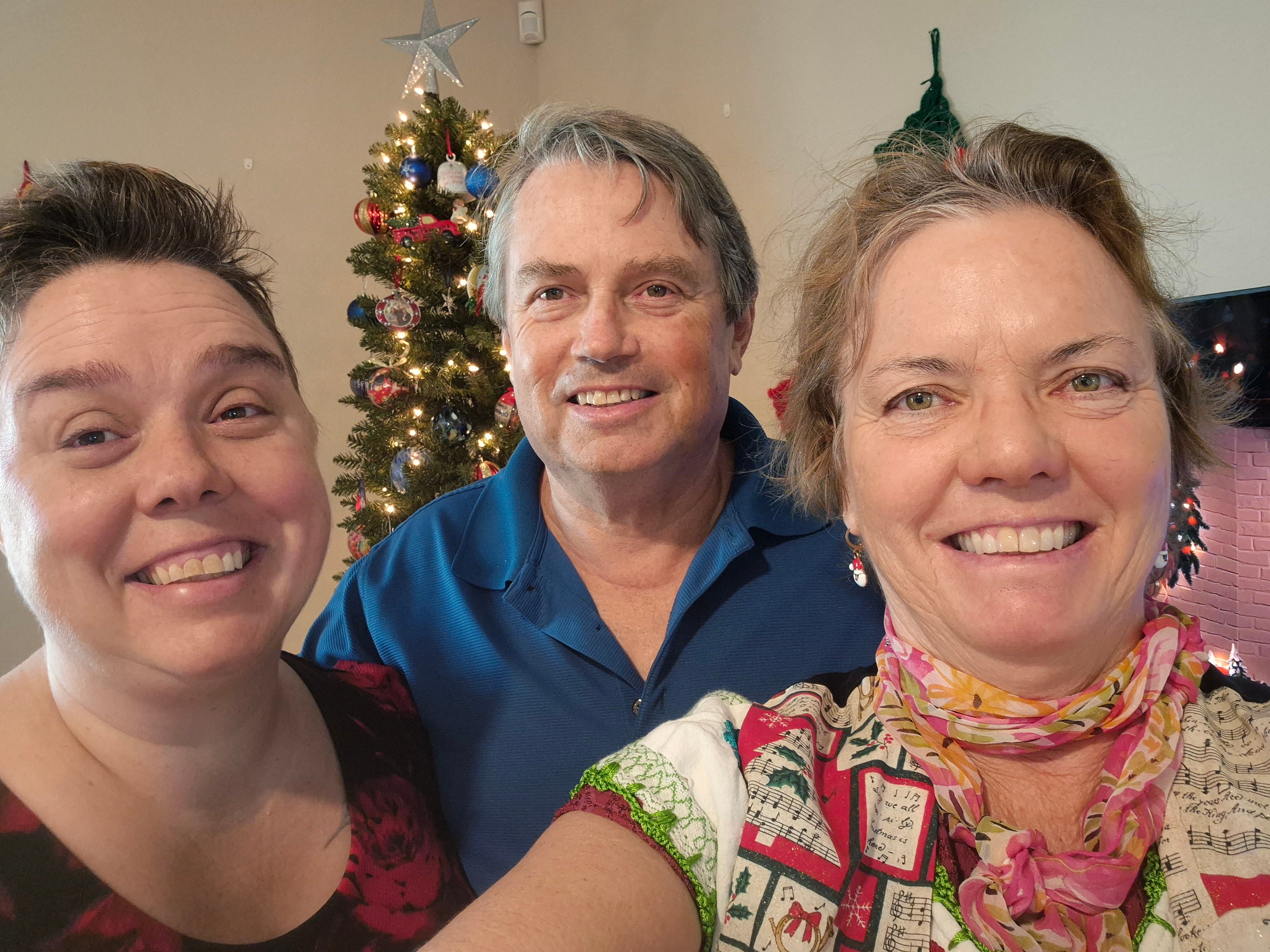
The rest of this post discusses personal medical issues that came with our life slap. If you find that squeamish or too much information, no worries if you decide not to read anymore of this particular substack. Also, if you are wondering, Scott says there is nothing too private about this, so he is fine with everyone knowing the details of our little drama. We will return to travel stories on the next post.
However, if you are interested in what has been happening to us or in the Mexican medical system, read away.
*********************************************************************************************************
A couple of days after we returned home to Bucerias from our trip, Scott and I were taking the dog out for a walk in the morning, as we usually do. He mentioned that he needed to see the doctor. I asked him whatever for, and he gave me the symptoms. He had been having them since sometime in the U.S. He had a bladder infection, I assured him, no worries. It was a first for him—men can be lucky that way—but I definitely know those symptoms.
Through the visit to the doctor that afternoon, he discovered it was a lot more of an issue than an infection. Both the urine and blood tests showed levels of white blood cells at a level “too high to calculate,” and the doctor did not like the symptoms. In that office, they have an ultrasound machine, and the tech just happened to be using it on someone else. When she got through, Scott was scanned. There was definitely something that appeared to be a tumor in his bladder.
The doctor referred Scott to a specialist, who immediately scheduled all those tests required for surgery, at least in Mexico. In the next couple of days, he had an X-ray, more blood work, an EKG and a CT scan of the abdomen and torso. Once those results came in, he met with an internist who cleared him for surgery, and a Transurethral Resection of Bladder Tumor (TURBT) was scheduled.
Less than three weeks after the problem was diagnosed, we were at a small private hospital in Puerto Vallarta for a surgery and an overnight. The speed at which all of that happened was absolutely head spinning. We seemed to be at a different clinic or doctor every day for a couple of weeks.
Then, we had the surgery time fixed. When the doctor said the operation was at 8, we at first assumed 8 a.m., as that is common in the U.S. To our surprise, we were supposed to be at the hospital at 8 p.m., with the procedure scheduled to begin one hour later. That is definitely a change from our experiences previously.
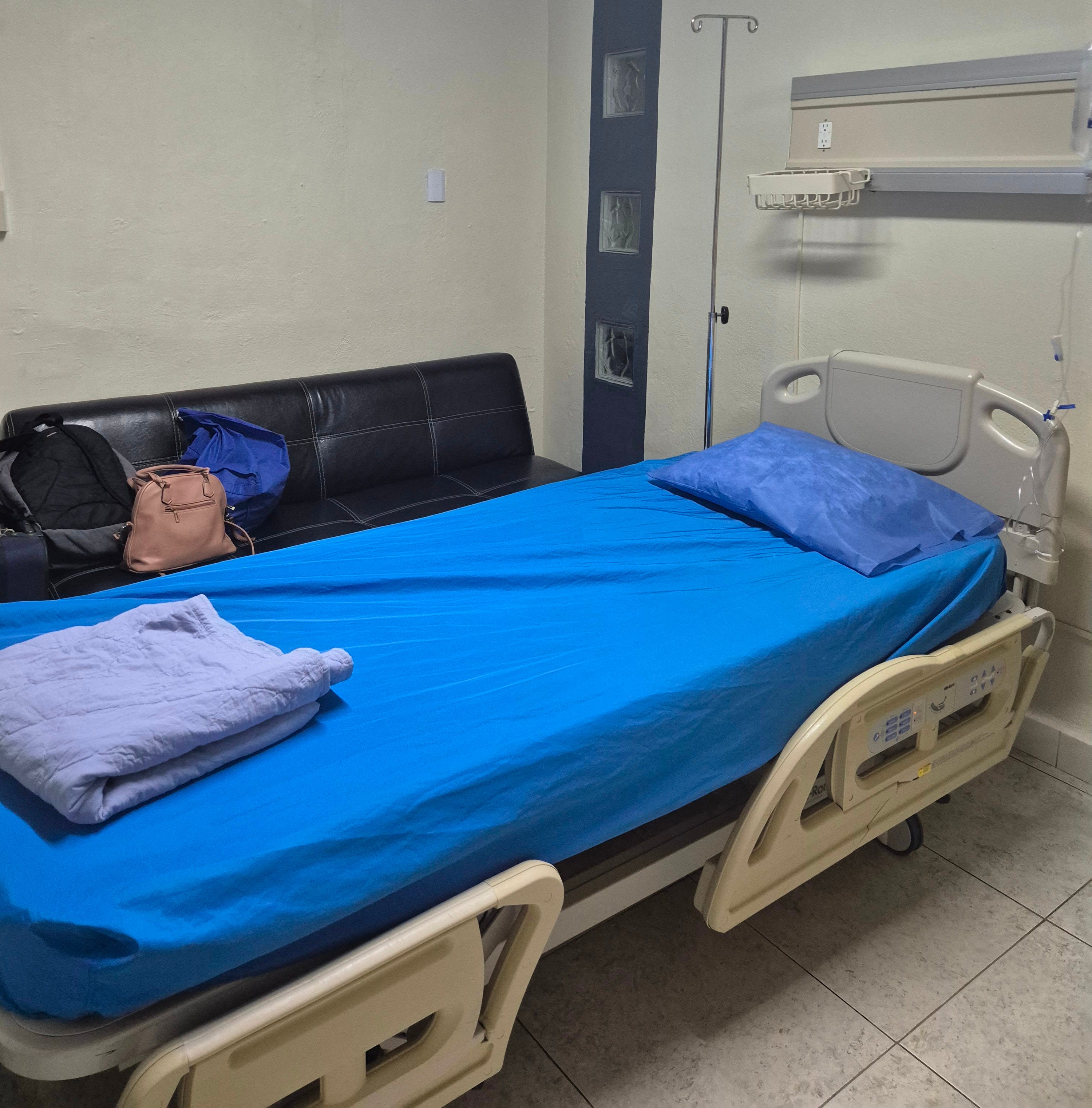
Being a private hospital, my overnight stay was not required, but highly recommended. At public hospitals, a family member has to be there at all times to do a lot of the nursing. Since it was recommended, we packed for two. I brought blankets, water, snacks, canned coffee and a few hygiene items. I should have brought pillows, we discovered later. The leather couch that I had to sleep on was not comfortable. That really was okay, because neither of us slept after the surgery anyway.
The room was large and reasonably comfortable. After all, we were staying in a hospital, not a hotel. One of the nicer things was that we had control over the air conditioner. While most hospitals try to freeze you, we had the remote. We continued to turn it off or up at every chance. The nurses, when they entered, naturally turned the air back on and the temperature down. It was a continual test of wills.
Scott had his surgery, which took a bit over an hour. The doctors, including the urologist, our general practitioner, and anesthesiologist, all came in after he was returned to the room. They told us that they had found a tumor, about one centimeter in diameter, and that it was almost certainly malignant. They believed that they had taken it with clear margins, but biopsies had also been done of the muscle wall and lymph nodes to confirm that for later.
It took him a few days to recover from this procedure. Having a bite taken out of your insides is painful and requires some time to heal. He was also pretty miserable when we went home the next day. A protest in Puerto Vallarta closed all the main roads. We were sympathetic with the protestors; they were trying to get attention to the case of a young woman killed by a drunk driver. The driver was politically connected and had escaped legal action to date.
While we sympathized, it made the trip home torturous for Scott and a test of my Latin American driving with attitude. We had to drive through horrible traffic and cobblestone or dirt roads for about three hours to get him home. On top of the pain of the surgery, being bounced around with a catheter is not fun.
The costs, on the other hand, are significantly less than the U.S. The price of the operation was $55,000 pesos (about $3,000 in U.S. dollars). The overnight at the hospital, including use of the surgery suite, was $14,000 pesos, or about $800. This all had to be paid in cash. I had an absolutely humongous wad of bills in my purse. It is a bit nerve wracking to drive around with that much money on hand.
We do also pay for all the visits and tests in the private health care system out of pocket, but they are at a level where we are not going bankrupt. The public health care system is free, but slower and a lot more dependent on us doing the work of putting things together. Since we have saved our entire lives to be able to afford a major health issue as we age, we are really grateful to be here and not in the U.S. for a medical emergency.
A few days after the surgery, his biopsy results arrived. As happens frequently in Latin America, Scott got them directly as a file in his phone’s WhatsApp. He then had to make an appointment with the urologist to review the results. We could read and translate everything as soon as we got the file. It is a bit strange for us to see results before the doctor does, but that is how things go in Latin America.

You own your test results. Everything, from X-rays, to EKG printouts to mammogram videos on a DVD, come to you. You cart these files from doctor to doctor. I have a plastic file folder with eight mammograms in it. Each doctor gets to load up and look at them. This system has its benefits and downsides. Everyone sees the same things no matter where you go, but you have to have a decent filing system, or something gets lost.
One doctor told me that he can tell which patients are likely going to improve through treatment. These are the ones that care enough about their health to have everything together in a file for the doctor. It is a different way of looking at things than we are used to, but it works.
There is also no sugar-coating the bad news by doctors. We saw the word “malignant,” or “maligna” to be more precise, on the printout in our living room as soon as the file popped up in Scott’s notifications. Those are the kind of words that stand out. You do not even have to speak the language or use a translator application to see that one.
Just as we were dealing with that issue, Scott had the results of his CT scan to discuss with the urologist. This result had a bit of a worrying news, and the AI that I ran the text through was very worrying (I do not recommend doing this, by the way). Then, to add to our worrying time, the first doctor appointment for this review had to be rescheduled.
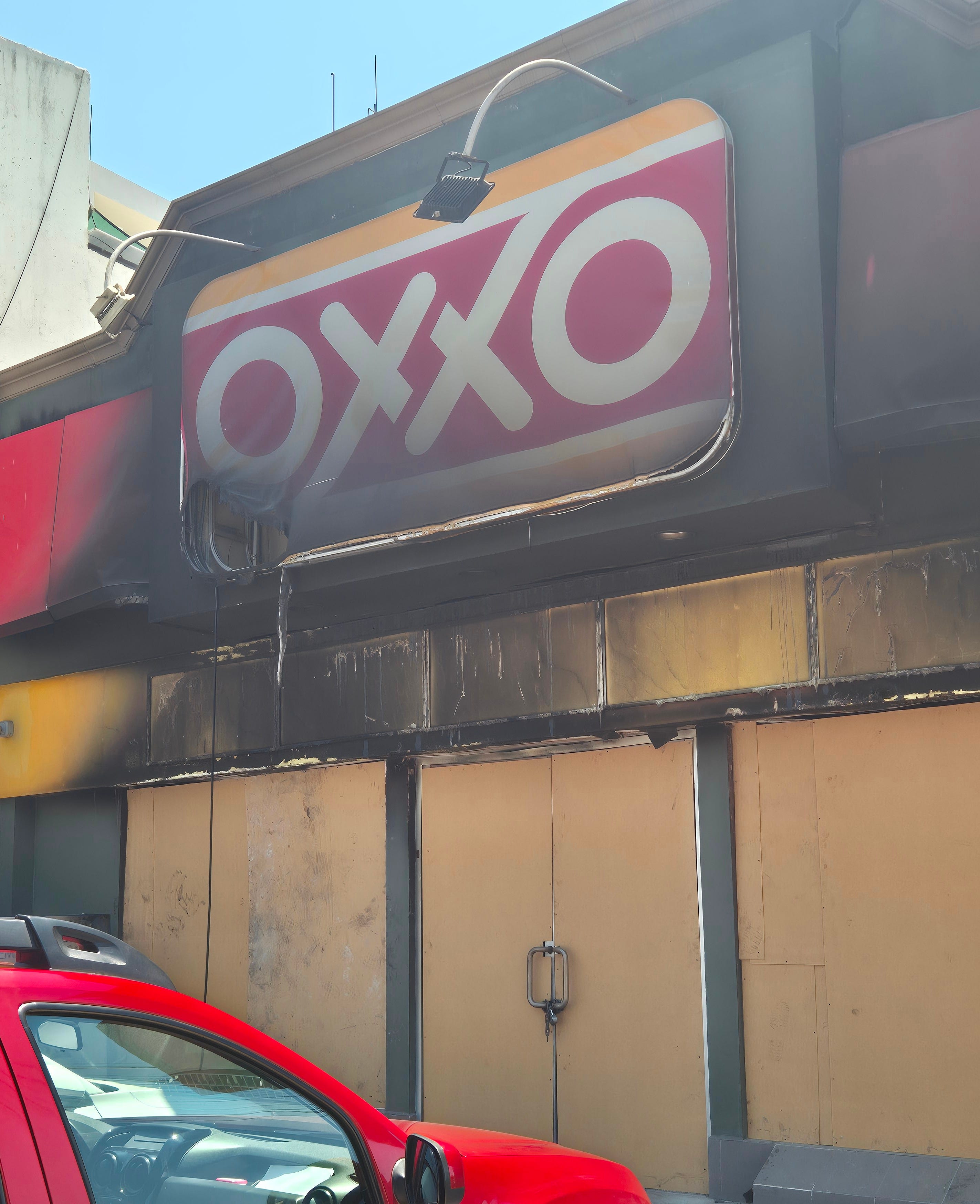
The government of Mexico captured the head of the Jalisco cartel. The cartel had, to use one of my friend’s words for it, a temper tantrum. Local convenience stores (OXXO), a few pharmacies and many vehicles were burned. This led to the government having us all shelter in place for a bit over 24 hours. Since his appointment was scheduled during that time, naturally it had to be moved.
Eventually, Scott went over the results with the private urologist he has been seeing, as well as a doctor in the public health system (IMSS). His CT scan showed a very small nodule on the right lung, about 2 millimeters or less than 10% of an inch. This triggered a need for more appointments with a pulmonologist and an oncologist and more tests. In the public health system, things move much slower. His work with them is scheduled for the month of May. At that point, we may find out if he needs to have chemotherapy or other treatments.
He also had to have a second biopsy with his private urologist to ensure the tumor is gone. The visual inspection of that was positive. Fortunately, this recovery has been faster and there are fewer days with a catheter, which he really appreciates. Now we wait for yet another notification in his WhatsApp, so we can use a translation application to figure out if there are more things to worry about.
Personally, this has been a huge shock to our systems. Having someone describe you or your partner as a cancer patient needing to see an oncologist is viscerally terrifying. I have other family members with cancer. That has been stressful, but this one is just a really hard slap.
There is no way around it. You go through a wide range of emotions after a diagnosis like this. Everyone is different, of course, in their responses. While we have mostly been dealing with things okay, I have spent hours so stressed that I could not stop vomiting. For me, this is very unusual. If there is one person in life that we know who is unlikely to vomit from stress, that would be me, and yet here we are.
Scott, on the other hand, describes himself as “mopey” at times. Mostly though, his optimism shines through. Normally, he says and believes that since the tumor does not seem to have spread, it is just something he will need to live with the rest of his life. He will likely have to undergo regular observation and may need more surgeries and medications. He believes he will be fine. You do have to love an optimist.
I am so thankful for modern medicine, where something like this tumor could be found when it is early and when it is treatable. I am also thankful that treatments are available. The Mexican health system is relatively inexpensive, and the private system is really fast. Getting treatment as quickly as possible in this type of a situation can be a life saver.
To our friends and family who have checked in on us regularly in person, by phone or text, through email or some other media: thank you. To those who have run errands, taken care of Astrid the dog for a few hours or overnight, given us some food, or anything: thank you. To those who have given us hugs either in person or electronically: thank you. To those who have insisted we take time just to have fun: thank you. To those who have understood when I just could not bear to discuss one more thing but told me in one way or another that they would sit and comfort me by their presence: thank you. You are important and helpful.
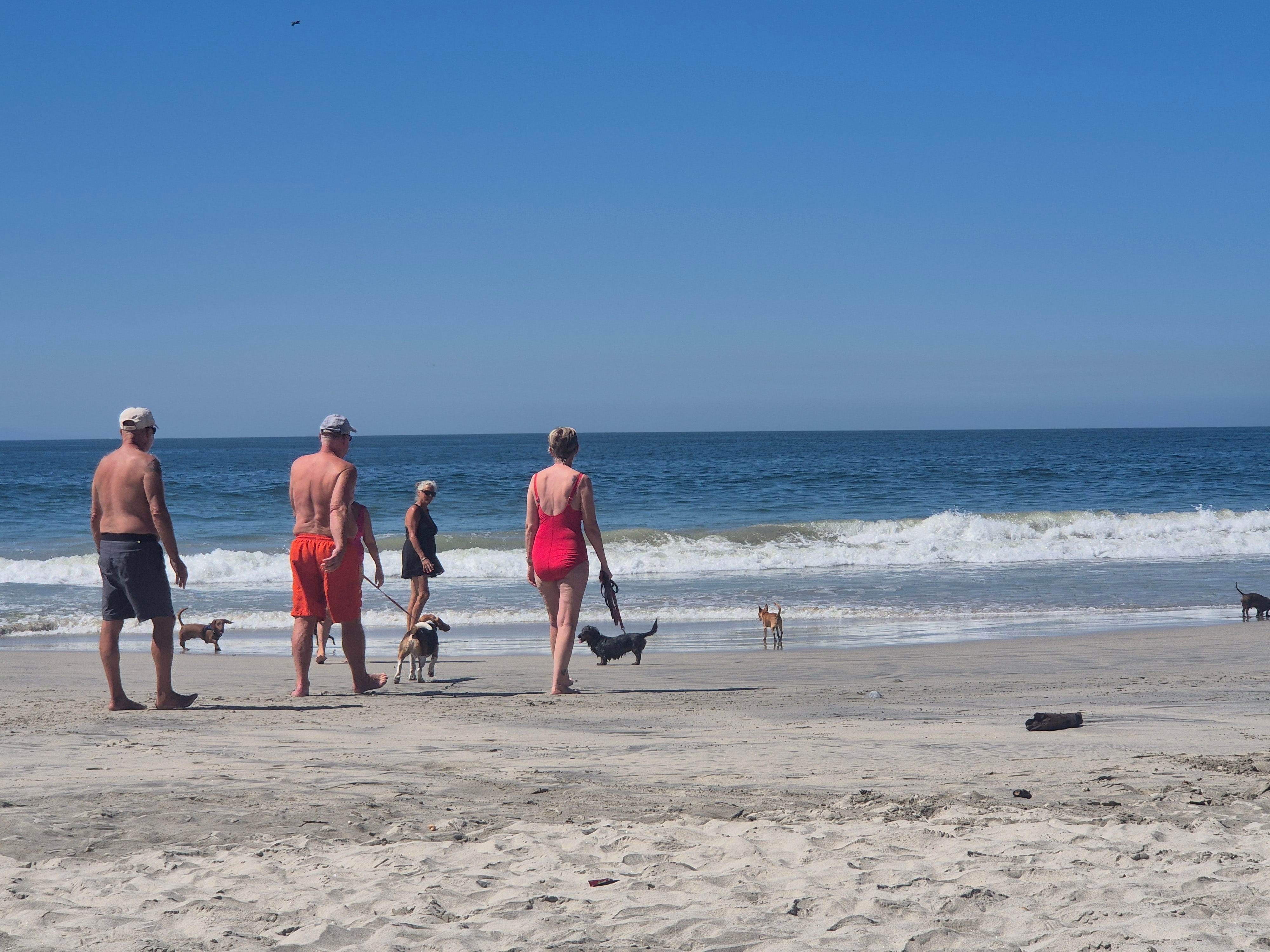
You never know when life will slap you hard. It is a wonderful thing when you have people there to help you keep from falling down. In the meantime, we are trying to enjoy every day that we have. I hope we have many of them to spend with each other, as well as all our family and friends. Enjoy your time with whatever or whoever makes you happy.
In a few places in his writings, Nietzsche talks about when life delivers us into the labyrinth, where the dreadful Minotaur lives where we can be “torn piecemeal.” It’s a terrible place. He experienced it often himself as he had terrible health problems, especially headaches, that would paralyze him for weeks at a time. His goal in the midst of it was to remain “the most cheerful and kindliest.” Easier said than done, but it sounds like Scott and you are doing your best in the midst of it one day at a time.
Thanks for sharing. Glad Scott is well.