
Work Around the House

As someone from the U.S., I really did not know what to expect as far as getting help in gardening or housecleaning when we moved to Panamá. We had read on-line that it is generally expected that while Latin American countries generally have fairly easy permanent residency visa processes for people like us, the government and local community at-large expects that you will reciprocate by hiring as many locals as possible.
One of the first things we decided we needed to hire someone for after moving into our place in Boquete was with putting in a yard. The front was rock and concrete mixed with weeds. The concrete was left over from all the mixing that had to be done to build onto the block construction house. The lower lot was a bamboo weed central, with reeds stretching much taller than me into the air. There was no way that I was going to turn it into a thing of beauty without a lot of assistance.
We asked around the very few expats that we knew that first month and got some names recommended. One was a young guy who came over every couple of weeks and used the weed eater to beat back the plants for $40 per time ($20 per lot). This was a reasonable price, but we did not get any actual gardening out of him. He cut every plant, bamboo, weed or that rose just planted in his way. For major work, we needed a true professional who actually knew the difference between a weed patch and a garden and then help you move between them.
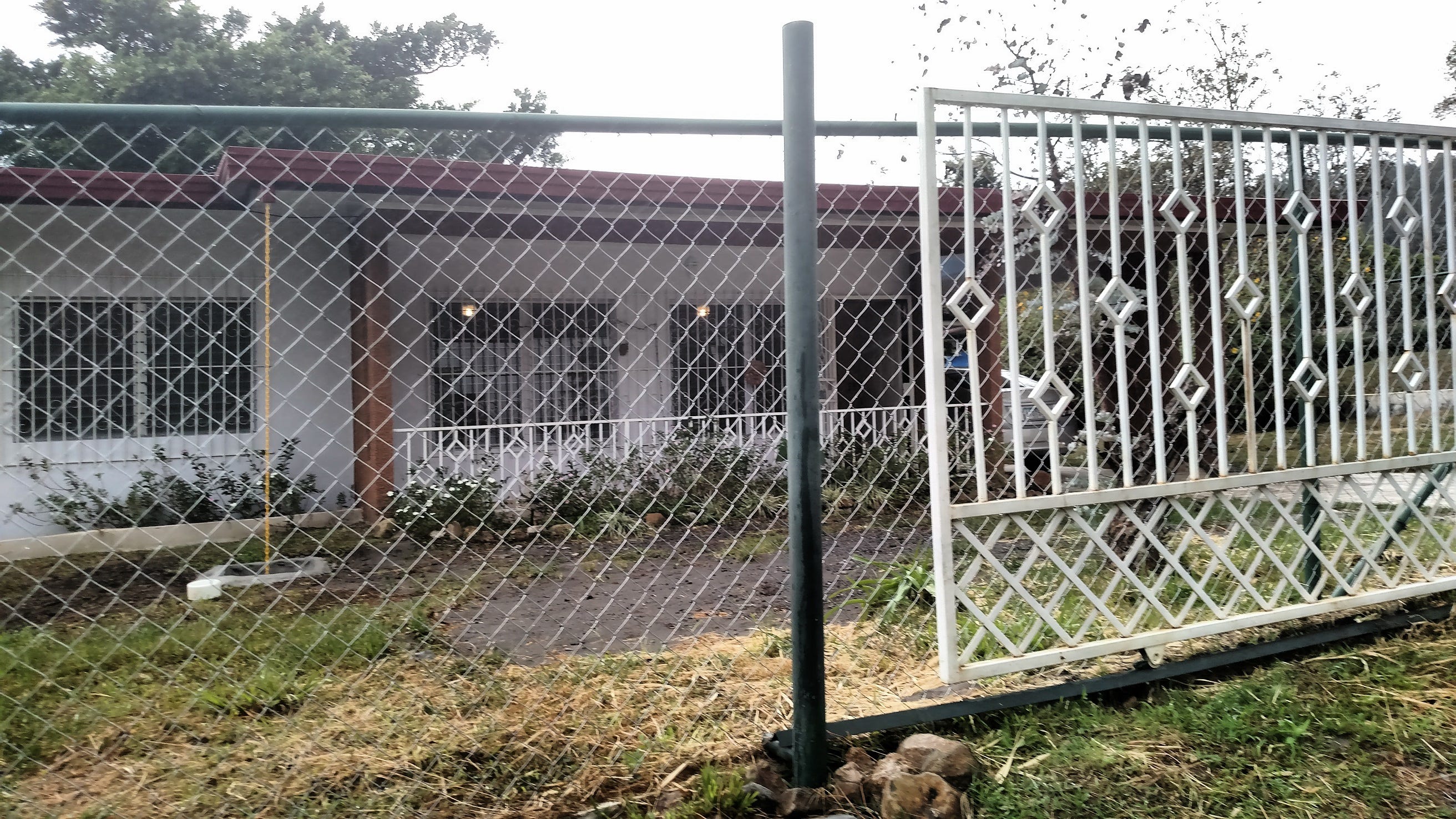
We asked the very few people that we had met in the first couple of months in Boquete. One guy, whose household goods we brought down in our container based on a Facebook post (the crazy things you do as an expat), recommended someone that he knew. We were desperate and sent this guy a message. Enter Franklin to the rescue. He showed up with his stepson, ready to help us put in gardens and a lawn. He seemed honest and came with a good recommendation. This was one of the best decisions we made during our time in Panamá.
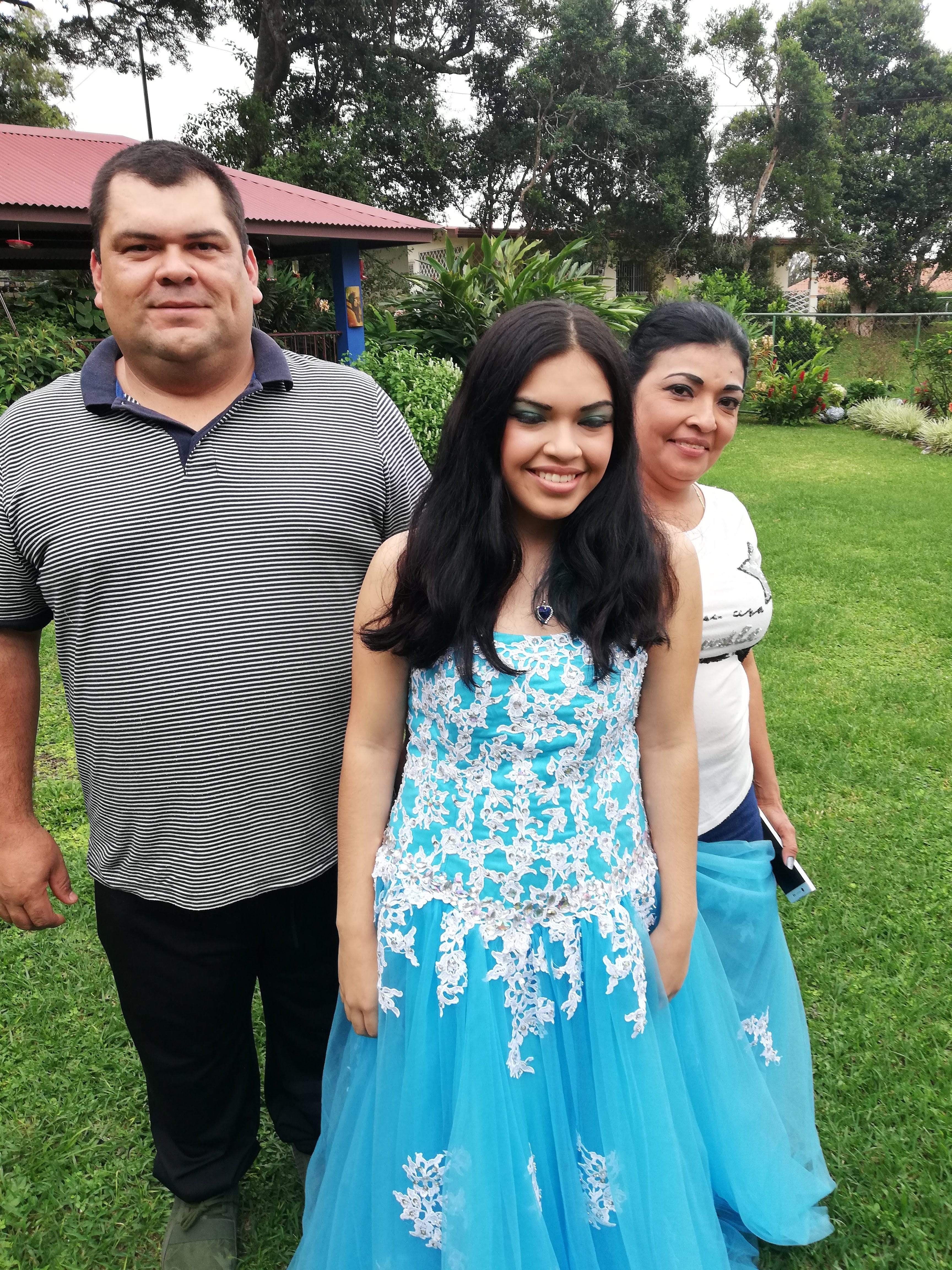
Franklin helped me design flower beds. He got us information on a company to deliver sod. He and his son dug monster rocks out of the soil and delivered them into the canyon by the wheelbarrow load. They put dirt and sand on the entire yard and then installed the sod on top of it. They dug out flower beds, eliminating all the weeds. Together, we planted the flowers that I wanted in each bed. Franklin outlined the beds with rocks from our yard. This work went on for months.
In addition to all the work on gardening, he taught me a great deal of Spanish. All our conversations were in Spanish from the beginning. He spoke clearly and slowly and repeated himself however many times I needed. He was also an excellent source of community information and gossip, so understanding was essential! It gave me great incentive to learn more Spanish.
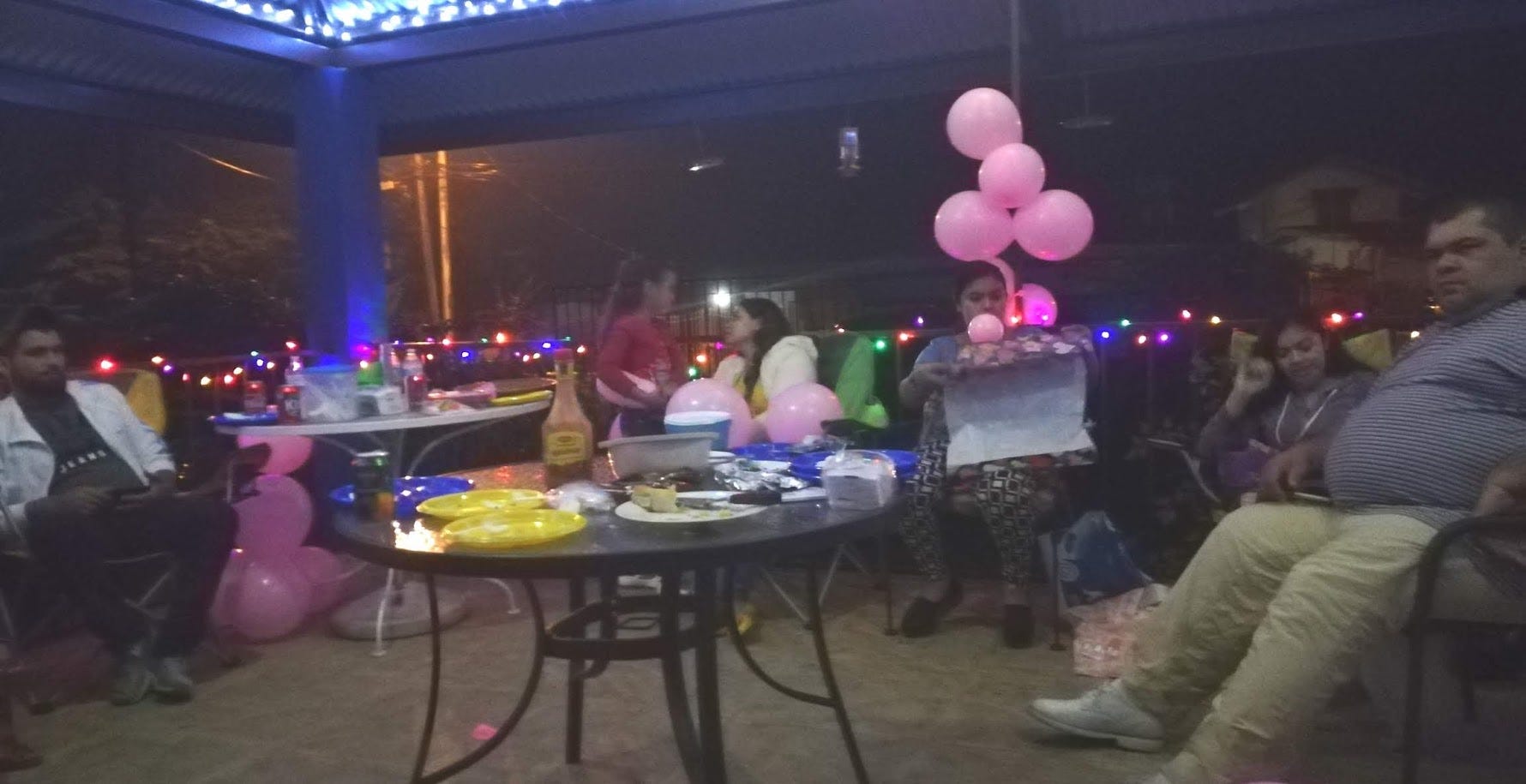
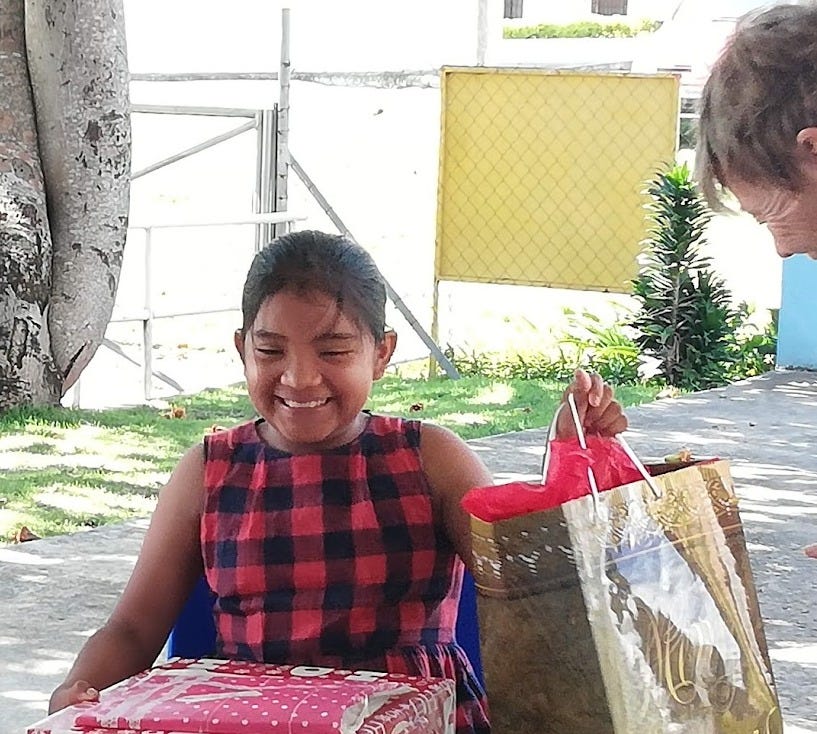
After that first bit of gardening, while he did not work for us on a regular basis, whenever we needed a big job done, he and his family came over and would spend a day or two cleaning things up. In the process, we got to know the whole family. His wife, stepson and daughters spent a lot of time at our house. Amy taught the girls to play “Uno” and other card games. We attended both girls’ quinceaneras. We even hosted birthday parties for them in our patio. They truly were some of the best people we got to know during our time in Boquete. They are good hearted and have taken in about eight dogs, mostly those abandoned in the streets by expats returning to the U.S. or Canada. They also seem to have housed in a number of young family members over time, as those young people experience difficulty. We are grateful to have known them.
We also ended up meeting a lovely lady who was recommended to us as a housecleaner. We originally did not plan on hiring anyone, because we are retired and could clean the house ourselves. One of our friends kept asking us to hire someone who worked for them, Lourdes. She had lost clients who returned back to the states and really needed the work. Our friend also said that she was very responsible, hardworking and a genuinely all-around nice person. This was all true.
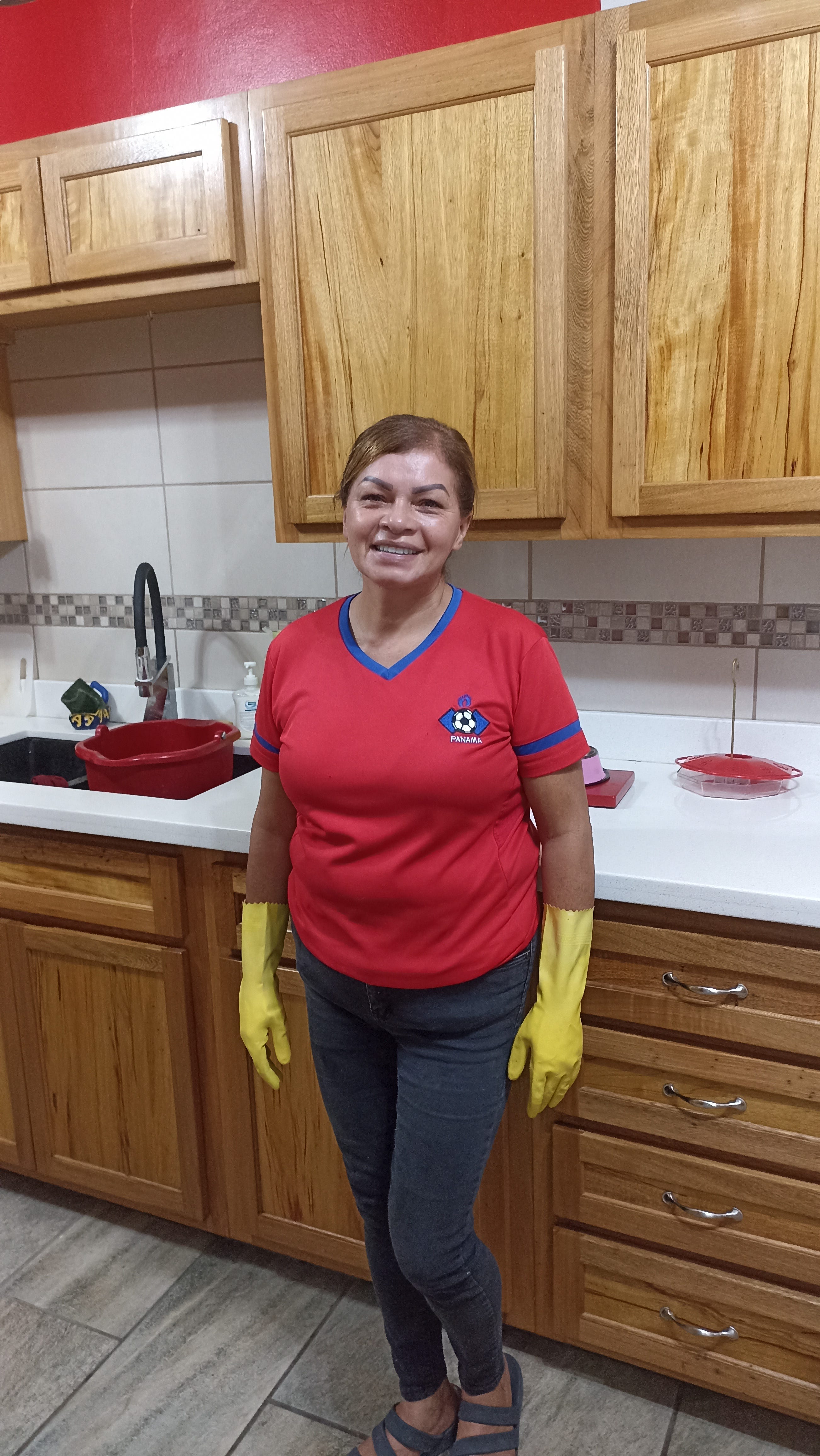
She is a great person. We really learned to trust her and see her as a personal friend. She stayed in our house when we were gone and watched the dogs. She was always reliable and a pleasure to spend time with. She also helped me with my Spanish.
So many other workers taught us so much about the culture and about living cheerfully and fully, even when financial situations are difficult. We learned about the importance of family in the Panamanian culture and how some families struggle beyond measure to do what is needed, even when the money is just not there. We also experienced with them how much joy can be had in celebrating even the little parts of life, and that very little money needs to be used for a wonderful time together with family and friends.
Another thing we learned is that when you are living in Latin America, it is important to really be there for people who work for you. There are the legal requirements, of course. In Panamá, workers receive an extra month of salary (the 13th month) spread throughout the year, an employer is supposed to pay for four weeks of vacation, and Christmas bonuses are supposed to be large. People are required to do this, though we knew of many employers who did not pay what they should.
In addition, there was the issue of ongoing worries and concerns that people without sufficient funds are living under. If there is a personal problem or need, you will likely be one of the people they turn to ask for a loan, or, realistically, a gift to help. While many from the U.S. are not used to giving funds to help employees pay for personal problems, this is definitely more of an issue where we have lived in Panamá and Mexico.
During COVID, the need to help these types of workers was especially high. Most people continued to pay gardeners and cleaners, even when they could not go to work for several months in a row. With little to no aid from the government, a lot of day laborers could not afford to buy groceries, pay their bills or even get gas to go into town those couple of days a week they were allowed to go and to get food.
A few people did not continue to pay their employees, and it caused some real hardship and hunger. It also caused a lot of anger toward some of the expats, who were the ones not paying. Other groups of people got together to help out in different ways. The mayor organized a group of businesses to donate food and had volunteers deliver bags to people in poorer areas. Farmers that we knew were giving away produce.
Even when it was not a serious economic situation for the whole country, a lot of laborers were on the edge financially all the time. Any little thing could spin a family into emergency quickly. Fundraising activities seemed to be happening regularly for someone who had had a medical or other emergency and the family needed help.
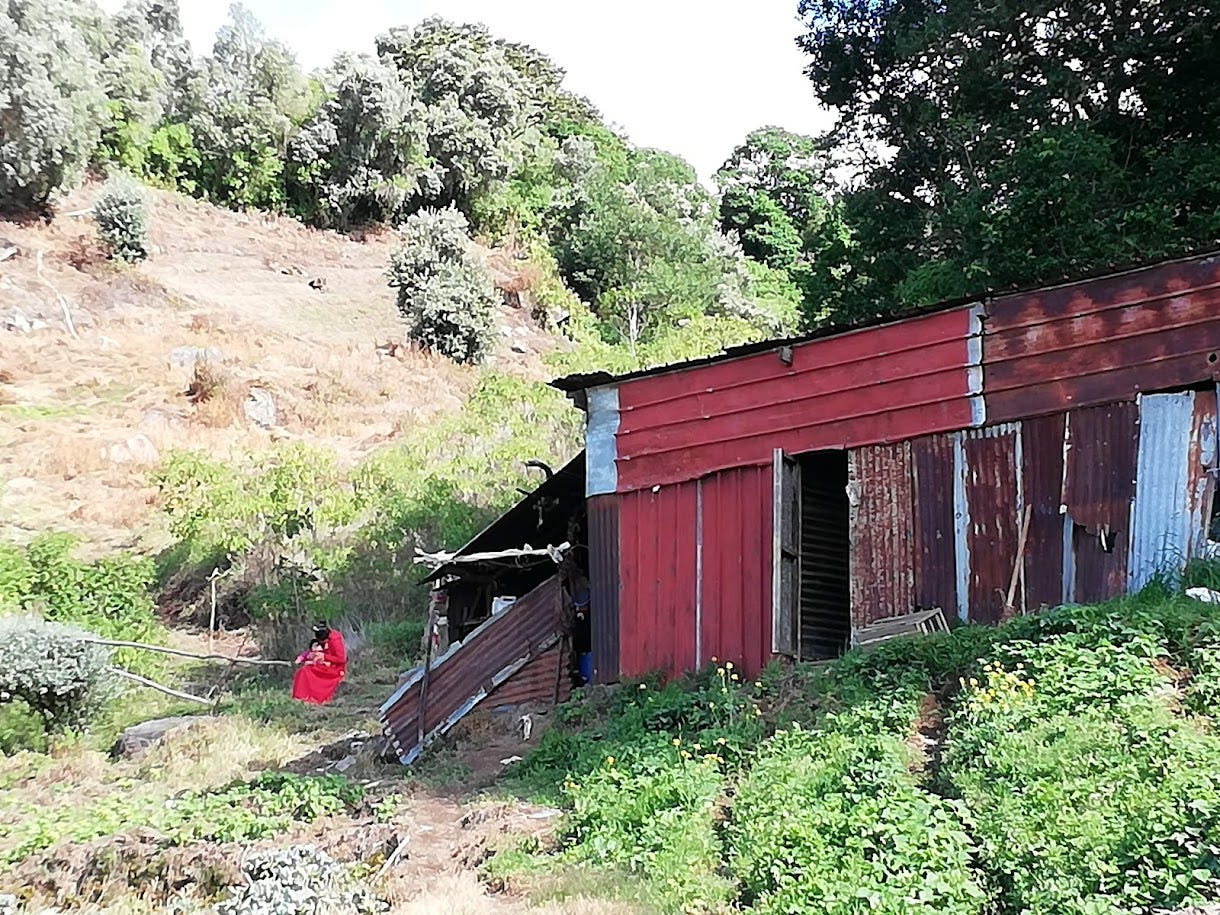
We expats clearly had more funds than the workers. If nothing else, we were able to leave our homes and move somewhere else, whether or not we would be considered wealthy in the U.S. Many of the Panamanians who worked with us on one job or another had no expectations of traveling to any other country in their lives. A vacation from work was usually taken in wages. Even if there was time off, most people spent it at home catching up on personal chores.
There just was not enough money for many extras. While many of us expats paid higher wages than the legal minimum and going wage, it was still nowhere enough. Food was expensive for everyone. Fuel costs were just as high for the locals as for the visitors like us. Other, higher paid, Panamanians always complained that we expats were increasing inflation by paying employees higher wages than were typical. I understand this point of view, but on the other hand, people need to be paid a decent salary for the work that they do and to be able to survive.
Any way you look at it, we were able to help out a small number of people to earn a living by doing work they could be proud to do. We were blessed beyond measure to know them. The gifts we received from our Panamanian friends cannot be counted nor forgotten. We will always remember them with great fondness and hope we left their lives a little better for knowing them, as they did ours.
We were so happy to find someone from Mexico, José, to do some gardening and lawn work for us. He also shovels snow for us in the winter. I vastly prefer him to hiring a big lawn care service (we would do it ourselves but for him). We now go and watch him play softball with his family. I get to practice my Spanish with his family while he plays softball, and it’s a very pleasant time.