
Los Vecinos
The neighbors

When we first bought our “Panama House” in 2016, we were one of few non-Panamanians in our part of the development. At the time, most people from the U.S. and Canada lived in the newer housing and condo subdivisions a bit out of town. Others were on ranches or on very large pieces of land with mansions and mountain views. These mansions looked spectacular from the road, the huge windows sparkling in the sun and overlooking the valley. Someone we knew in our hiking group said that these windows were calling cards to the local criminal community, saying “ROB ME. I HAVE EXPENSIVE STUFF INSIDE.” These vista windows also allow everyone to easily see what items are inside. They also did not have metal bars to block the view, which was quite helpful for the kids crawling through.
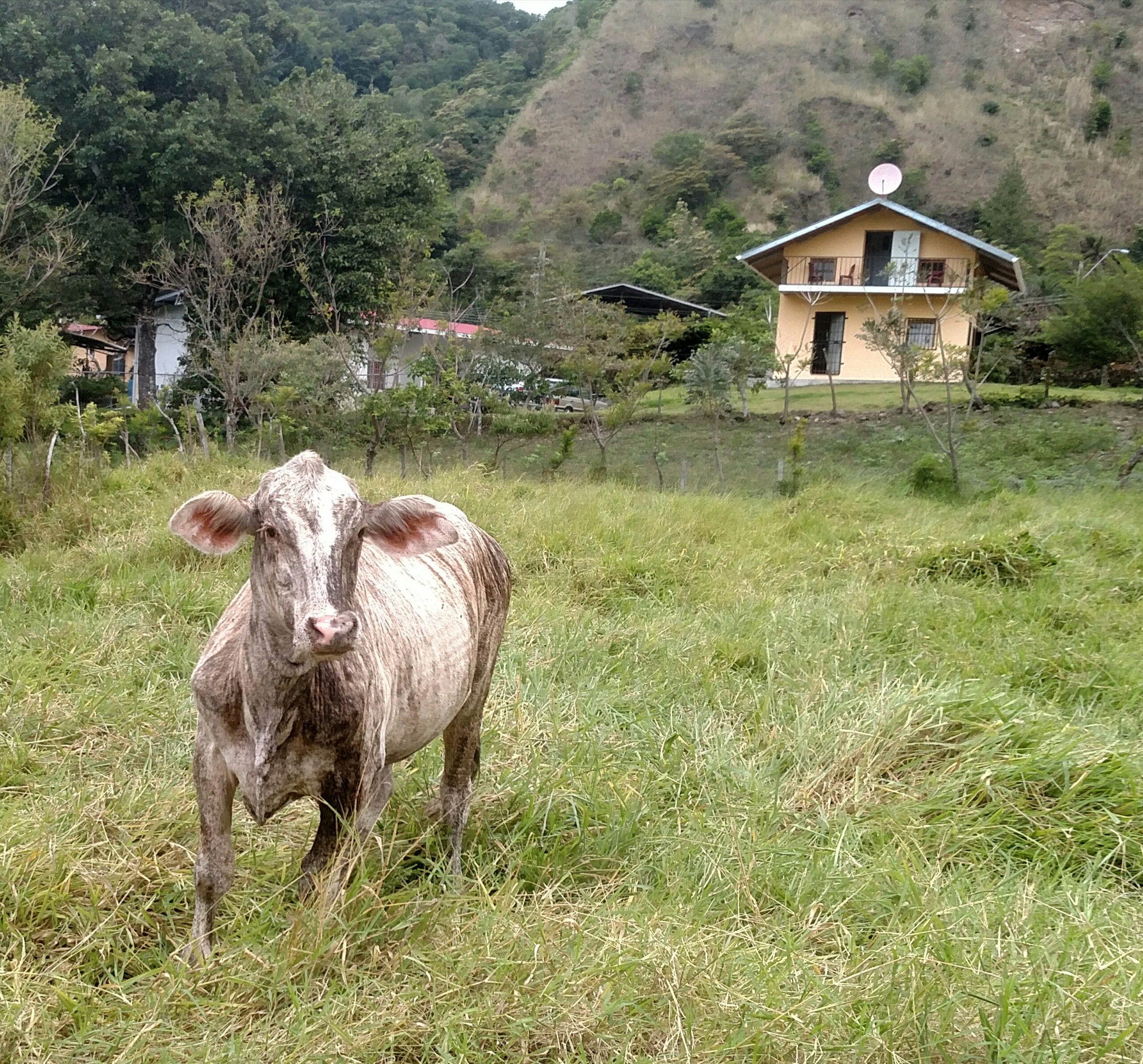
Our neighborhood was different. It did have a few people from the U.S. and Canada, but they were mostly living at the front or the more expensive end of Santa Lucia. In our part, we were the only nonPanamanians around us for quite a bit of the time. This makeup slowly changed, and the neighborhood is a lot lighter complected as a whole with a lot more English spoken these days than when we bought in 2016. We were both delighted to be one of the few expats in the area and excited to be living in a real Panamanian community.
We did have to get used to living in a different type of neighborhood than anything in the U.S. Every day of the week, except Sunday, someone near us would have a gardener out to “limpiar” or clean the yard. This basically means to weed whip the green weeds that try to look like lawn into submission with a gas-powered machine. The guys usually started about 6:30, right after sunrise. They would arrive early, be given a coffee and maybe breakfast by the homeowner, and then the work would begin. The whine of someone’s machinery was ongoing every morning until early afternoon. There was no sleeping in.
By midafternoon, we would begin listening to the local high school band practice for the national parades in November. The marching and drumming would continue all afternoon on some days, especially as the year advanced. The rhythmic drumbeats pounding through your head made a good background for the constant sound of the work necessary for living in Central America.
When living in a rainforest there is always a repair that needs to be made—sanding the rust off of metal gates, painting walls or roofs, fixing a leak in the plumbing, destruction of a kitchen or bathroom to install something better or one of many other loud chores. The neighborhood often seemed to pulse with the energy of manual labor and drums overlaid by someone’s loud music to help the work go by quickly, accompanied by the neighborhood dogs howling in sync to the beat.
Even with these characteristics, it was not a typical Panamanian group at all. While Panamá itself has a large percentage of the population in poverty (between 25 and 40%, depending on the numbers you see and the time period), our neighbors were, in general, much better educated and paid than the average. People who could afford well built houses on large lots were generally professional or business owners.
We knew of at least three doctors, several accountants, a couple of engineers, retired business owners, real estate agents, bank managers, and the like. Some of the people were very well connected in national politics. One neighbor had a pension from the U.S. military, as he had worked for them as a civilian in the canal zone. He was one of the last people to leave the facilities when they were turned over to Panamanian control.
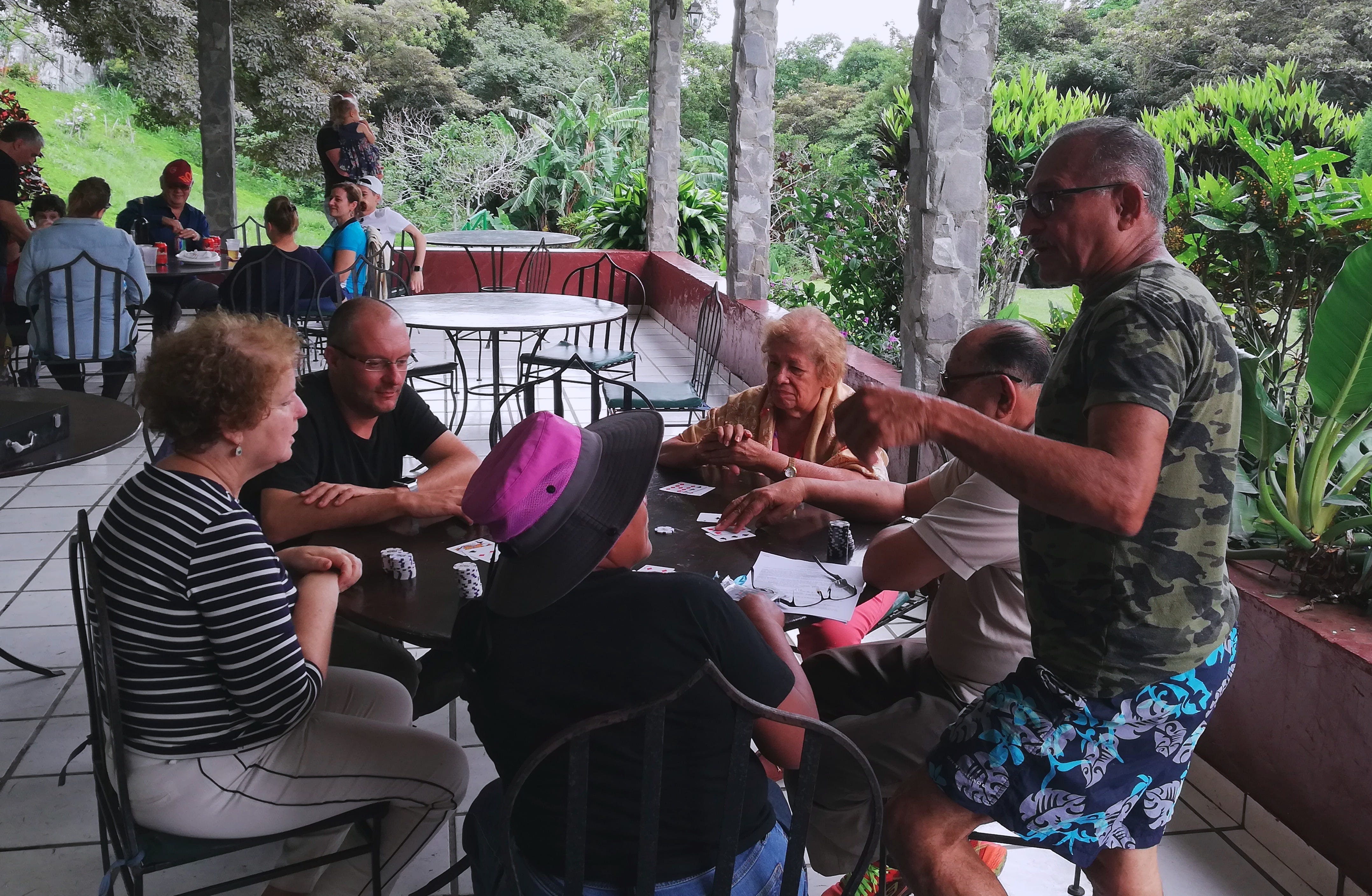
Many of our Panamanian neighbors, we found, had lengthy connections to the area. Some had lived in the houses since they were put for sale by the original company in the 1980’s. Others, including one of our Carlos neighbors (there were several), had grown up in the neighborhood and remembering running through the woods and canyon with his cousins as tiny kids. Several of these cousins still lived in or owned homes in Santa Lucia.
You would think this would be good to have a neighborhood with deep connections to each other. It was in many ways. Unfortunately, there were at least two groups who were angry at each other about everything. Nothing seemed to happen that did not bring a cause for intense arguing on WhatsApp or over each other’s fences. We soon learned to stay out of the drama as much as possible. Living inside what was our own Latin American telenovela; that was not as easy as you might think.
When we couldn’t avoid being part of whatever the latest conflict was, we sided with our two closest neighbors. We figured it was better to remain friends with them, no matter what the issue. Since a woman nearly always on the opposing side of Carlos was a very dramatic and tireless agitator, this sometimes was difficult. We tried very hard to stay out of the drama and were told more than once that we were easier to get along with than many other North American residents. This was a well appreciated compliment.
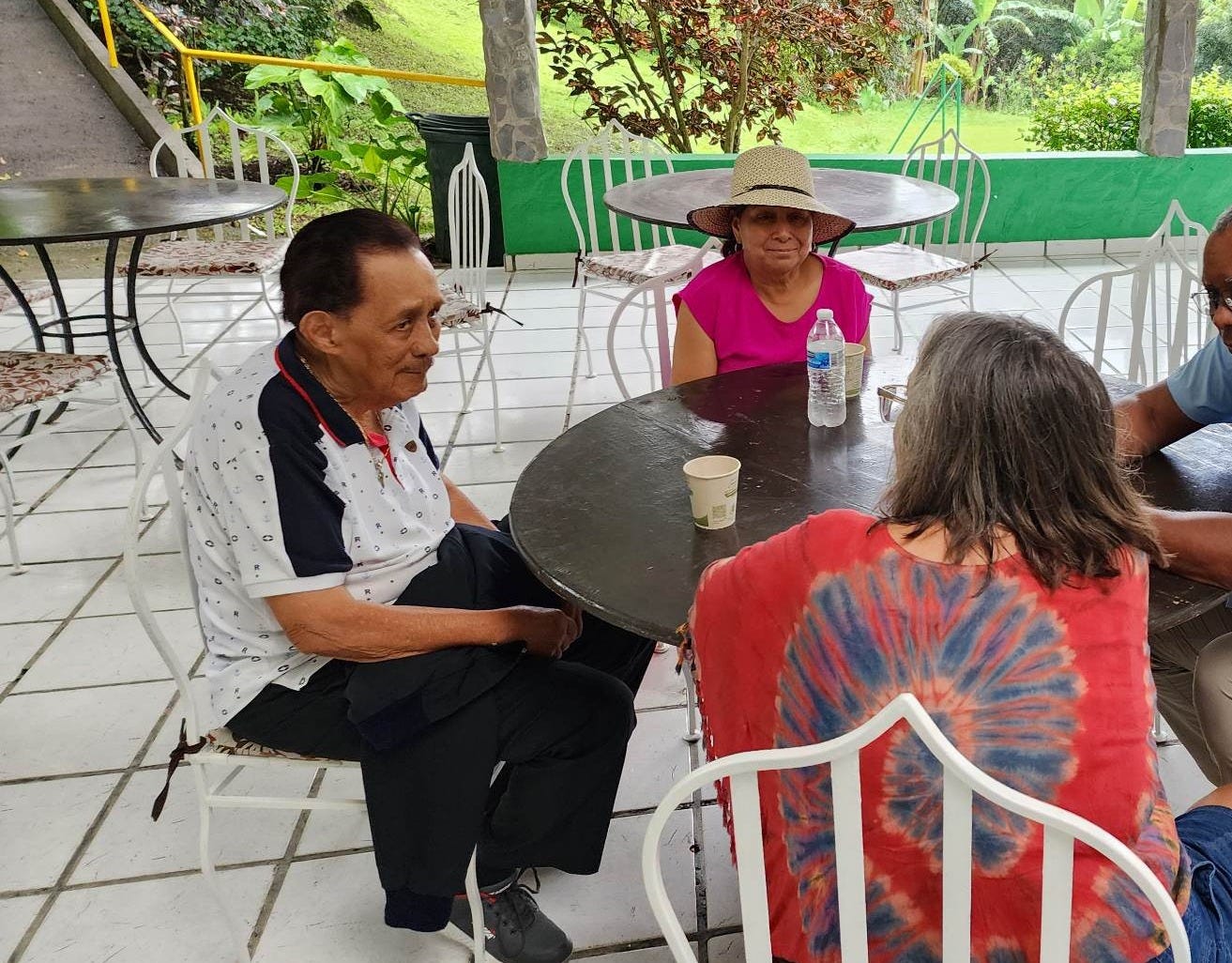
An elderly gentleman named Carlos lived just next to us. He had originally sold us the house. In between our buying it in 2016 and moving in permanently in 2017, he and his wife split up. She remained in the house behind us, and he moved next to us. Even though I heard from several other neighbors that it had been an acrimonious breakup, neither ever tried to draw us into the fray other than an occasional dig at the other. I am thankful. We remained friends with both, though never had them at the house at the same time. He was always kind and gracious to us, and she is very elegant and self-assured.
Carlos remained helpful in many ways. As a former businessman in town, he was well connected. One time a simmering battle between two other neighbors turned into a screaming fight on a Friday evening. A woman in the area had gotten it in her head that if the neighbors could not receive any water, she would get some. Her knowledge of water dynamics was suspect, to be sure. Her response to anything seemed to be immediate aggression.
To keep them from getting water, she continued to turn off the valve to their house over a several week period. Eventually they had put a lock over the controls, so she could not reach the valve. So, in spite, she cut their line. Water started spewing everywhere, and they got nothing in their house. The fight that ensued looked and sounded like it might get physical. Everyone around became involved, because all of our water was pouring out onto the ground. Water is precious when you do not know when you will next get it!
Before too long, Carlos tired of the screaming, as it was right outside his house. He called the mayor, who sent over water department employees to repair the lines and police officers to calm things down. We were doubly impressed when the mayor himself drove up to check with our neighbor Carlos that the problem had gotten taken care of quickly. It can be nice to have connected neighbors!
Dolores, who lived across an incredibly narrow dirt lane, was the neighbor with whom we interacted the most. She spoke very little English and really appreciated any improvements in my Spanish. She and her husband had four sons, though only two remained at home when we knew her. The younger two were in a private high school when we moved to Boquete. It was interesting watching them grow up and the different influence Panamanian parents have over their kids from American ones.
Just a hint, from what we saw over the years, Panamanian parents are much stricter with their children than are those in the U.S. I remember the firm arguments about video games and the teenaged boys being drug up onto the roof practically by their ears on a Saturday morning for home repair. That memory always makes me grin. Our little schadenfreude selves also particularly enjoyed listening to the boys scream and threaten the universe whenever there was an electrical or internet outage and the electronics shut off. This was after all the gringos on Facebook assured everyone constantly that Panamanians did not mind the inconveniences of constant outages. The amusement factor from across the way almost made the inconvenience of the outage worthwhile.
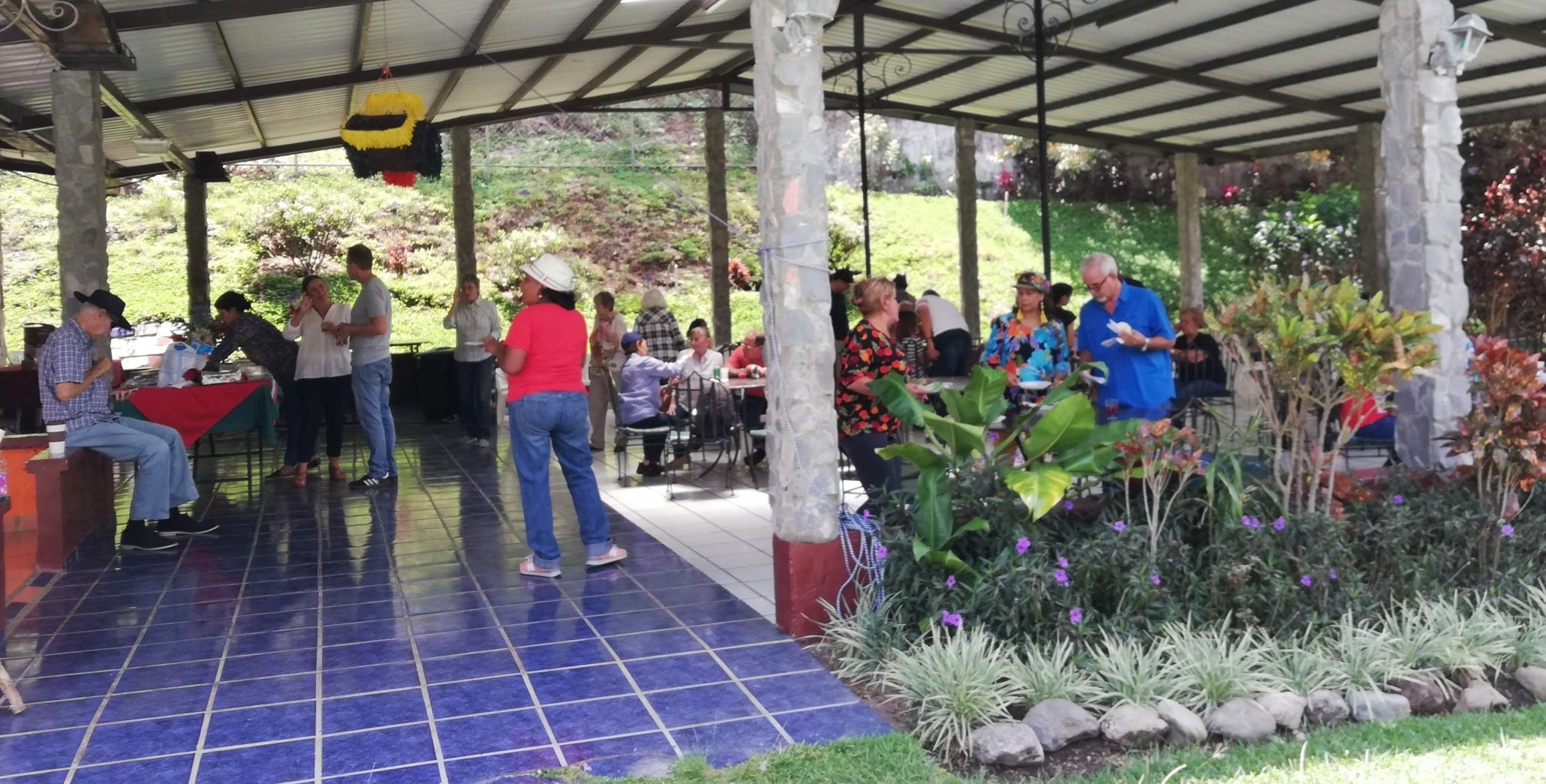
Dolores’ husband, another Carlos, was rarely home. He first worked as an accountant for Chiquita in the Bocas del Toro area, over three hours’ drive one way. She refused to live there or to have her kids in the schools in that area. She was determined that her sons go to college, and she wanted the best education for them. So, she lived in Boquete where his family was, and he came home only on the weekends. When he retired, he drove both himself and Dolores absolutely crazy in his boredom and endless projects. About six months later, he started working as an accountant for a large cattle ranch two hours away. He returned to only coming home on weekends. That seemed to work well for everyone.
We have never been so well connected to a group of neighbors in our lives. In addition to the neighborhood WhatsApp group (this is the favorite form of communication in Latin America), we had individual contacts for everyone near to us. Thus, when the neighbor behind us had her lines exploded in a rare high water pressure delivery morning, we could immediately get ahold of her. It was fixed fairly quickly. This was a blessing, because water was spraying at a high pressure everywhere, including up the hill, through the fence and into our kitchen.
For other situations, someone was always available to help. We got contact information for the water utility, propane gas deliverers and appliance repairmen through neighborhood recommendations. Without this network, we would have felt much more alone. Of course, the sometimes near constant bickering between a few did result in us regularly muting the communication notifications.
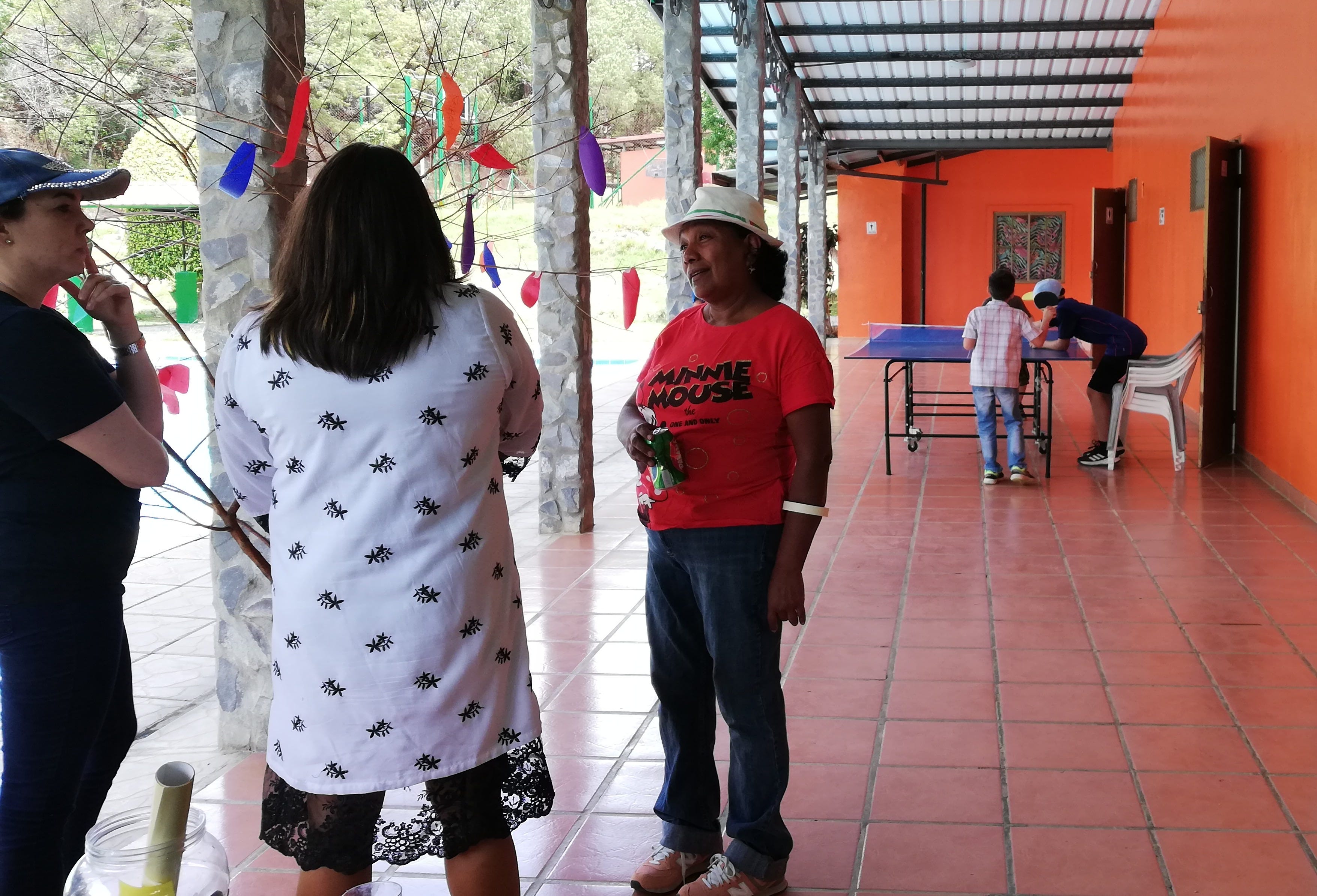
While almost all were friendly, it was always clear that we were always to remain outsiders. Panamanians generally celebrate the majority of activities and holidays with family and close friends. Even our neighborhood get togethers were usually events where people sat at tables with their family and group, and it was difficult to navigate inside. Also, we could feel that sort of constant watchfulness that came from most Panamanians when dealing with people from the U.S.
As a country that was subjugated as a virtual colony for one hundred years, in most interactions there was always a veneer of carefulness when dealing with one of “us.” We were reminded literally hundreds of times by our neighbors that Panamanians desire respect more than anything. Americans are often too informal, too loud and too overbearing to seem sufficiently respectful.
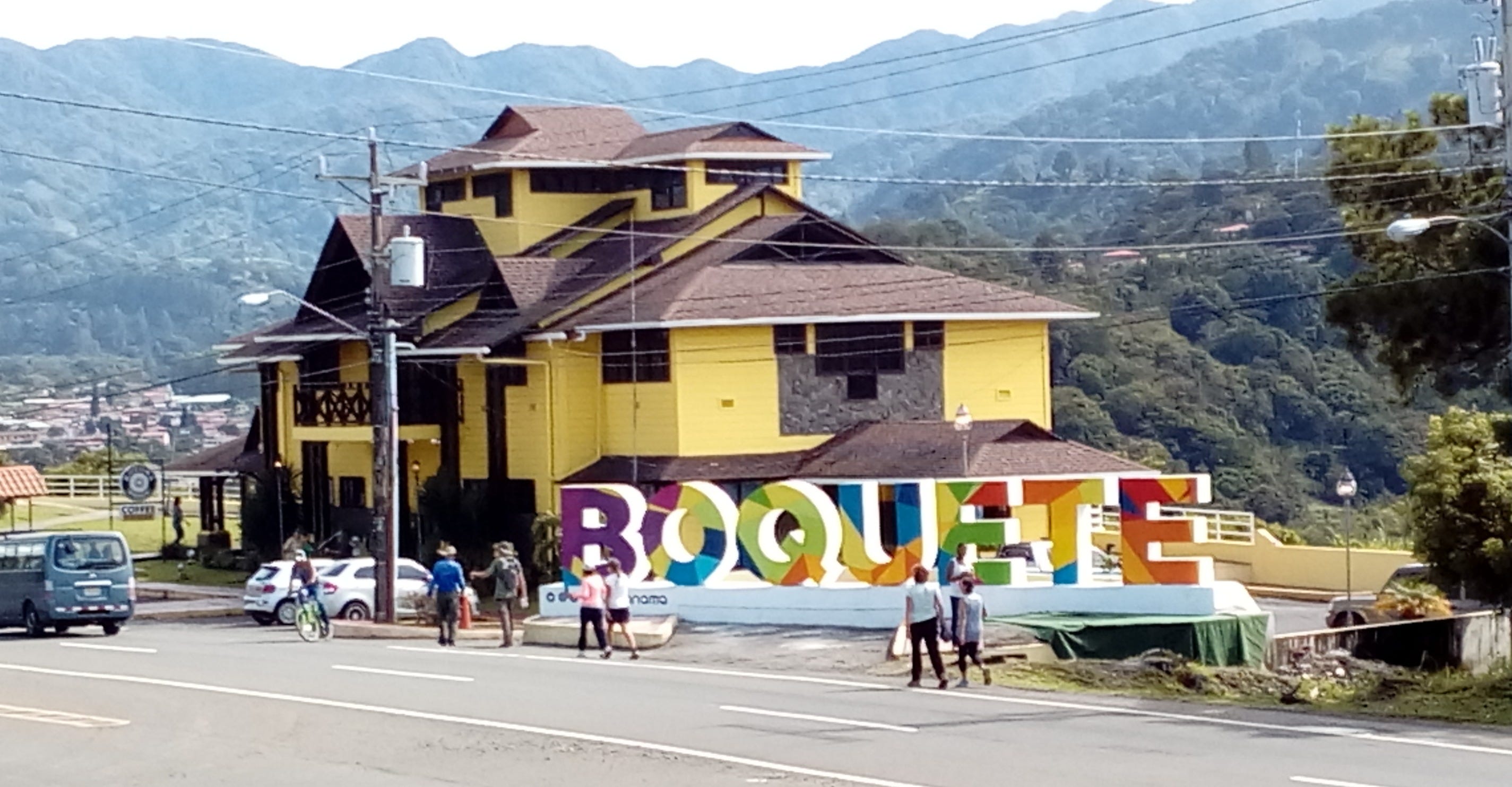
Our first few years in Boquete were an interesting experience in getting to know one segment of another culture. Things changed pretty dramatically worldwide during COVID, and our little neighborhood was no different. Several people in our community died due to the disease or other effects of old age. Many other long-time residents moved out and new ones came to replace them. The replacements were often North Americans or people from the city with no knowledge of the character of the place or its community. It is still a lovely neighborhood, but new residents will not get to live in the middle of our telenovela. They do not know what they are missing.
Peyton Place in Pánama!