
Blessed are the Charitable

Citizens from the United States get a lot of well-deserved grief for their actions abroad. The rudeness and domination of our lifestyle and culture over others, our attempts at controlling through government, business, and military actions, as well as many people’s personal arrogances are well documented. However, there is one thing that I have found reason to be thankful for my compatriots while living abroad. Individual citizens are so often charitable to others. We as a people are certainly not alone in these actions, but helpfulness is a trait that I am always happy to see in my fellow Americans.
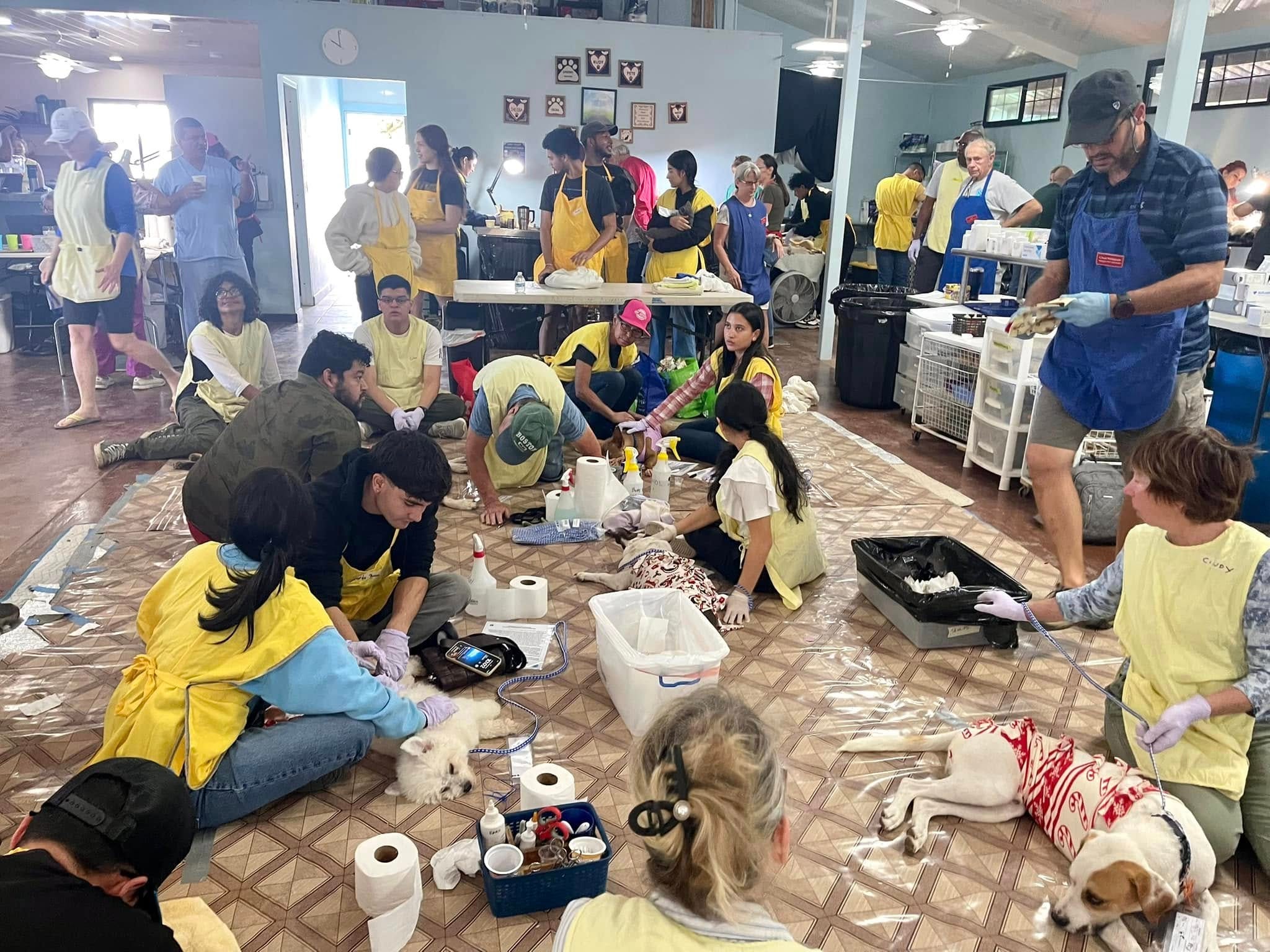
When we moved to Panamá, we were surprised to find so many charities and helping organizations run in Boquete for members of the local community—both humans and animals. For example, there is a clinic that has met once a month for about 15 years (except for a period during the COVID lockdowns of 2020). This group, composed of nearly all volunteers, neuters hundreds of animals the last Sunday of each month. Five or more veterinarians from all around the province of Chiriquí up into Costa Rica are brought in for the day. They are paid for each animal. Everyone else who works there is a volunteer. This keeps costs to pet owners at a very low level, while strays are neutered in great quantity.
Many volunteers schedule the animals for surgery. They give the animals anesthesia. They assist the veterinarians during surgery. Others monitor the animals post operation to assure they safely recover. Scott and Amy used to work at the clinic every month, at least until COVID time. Both would massage and pet the dogs and cats after surgery to help them recover.
To this day, tens of thousands of animals have been neutered in the Boquete area from the beginning of this charity, even our own dogs. This effort has reduced the stray animal problem, too common in many developing countries, in the area surrounding the town. Poor families are also able to get veterinary care for their animals in an affordable manner. In the past few years, young Panamanian high school students have come out in droves to help the event. It is great to see them with the animals, learning skills and putting their energy to good use.
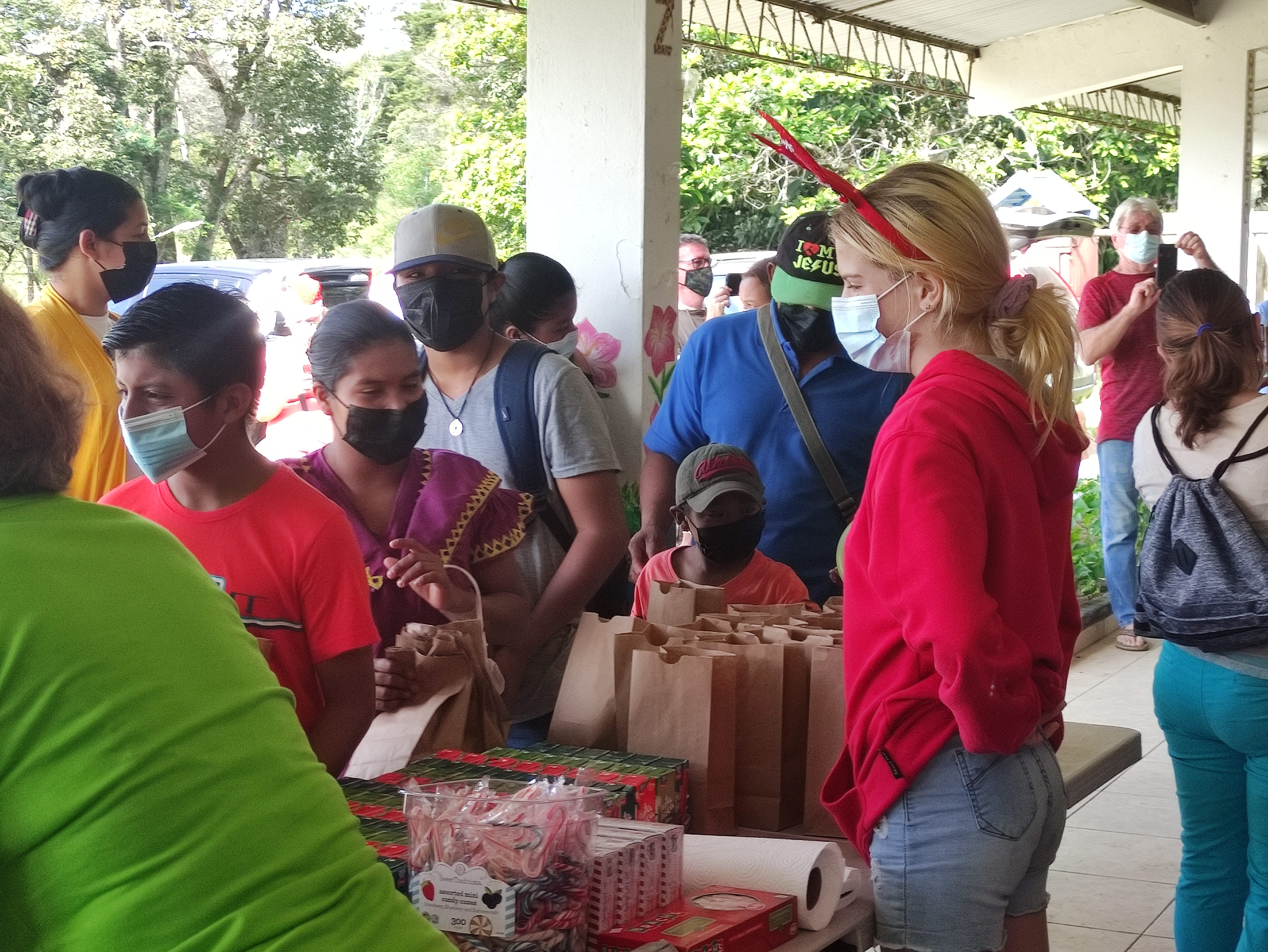
The community volunteers also do many things to help out humans. Helping poor families feed themselves is an important aspect. Every year different groups put together events, especially around the holidays, to ensure families have enough to eat and children have toys. The photo below is of one group that helps a school high in the mountains, where nearly all the families are very poor. At Christmas time, each family is “adopted.” The expat who adopts the family buys about $100 dollars in food. The money stretches a long way, as a local-owned grocery store subsidizes a list of supplies for the bags of food. In addition, each child in the adopted families receives a toy and clothing.
Other organizations provide bags of food to vetted low-income people in the community each month. Still others buy produce from local farmers and donate the fruits and vegetables to groups who give out bags in their area. These and other groups provide meaningful and desperately needed assistance for many people, as the government has no program to provide food help. Salaries are extremely low and many families large. The need is huge.
Hunger and starvation are fairly widespread in low-income areas. On the comarca, where many indigenous families live, there are children who starve to death. One program, jointly funded by donations from Panamanian and expat community members with a small grant from the government, provides live-in medical care and nutrition assistance for the very saddest cases. Children in this program (Nutra Hogar) have to be recommended by the regional government hospital and are seriously low weight and at risk of death. Children live in the facility for months or years to recuperate to a healthy level. Their parents come in on a regular basis to visit, as well as to receive training on nutrition and child welfare.
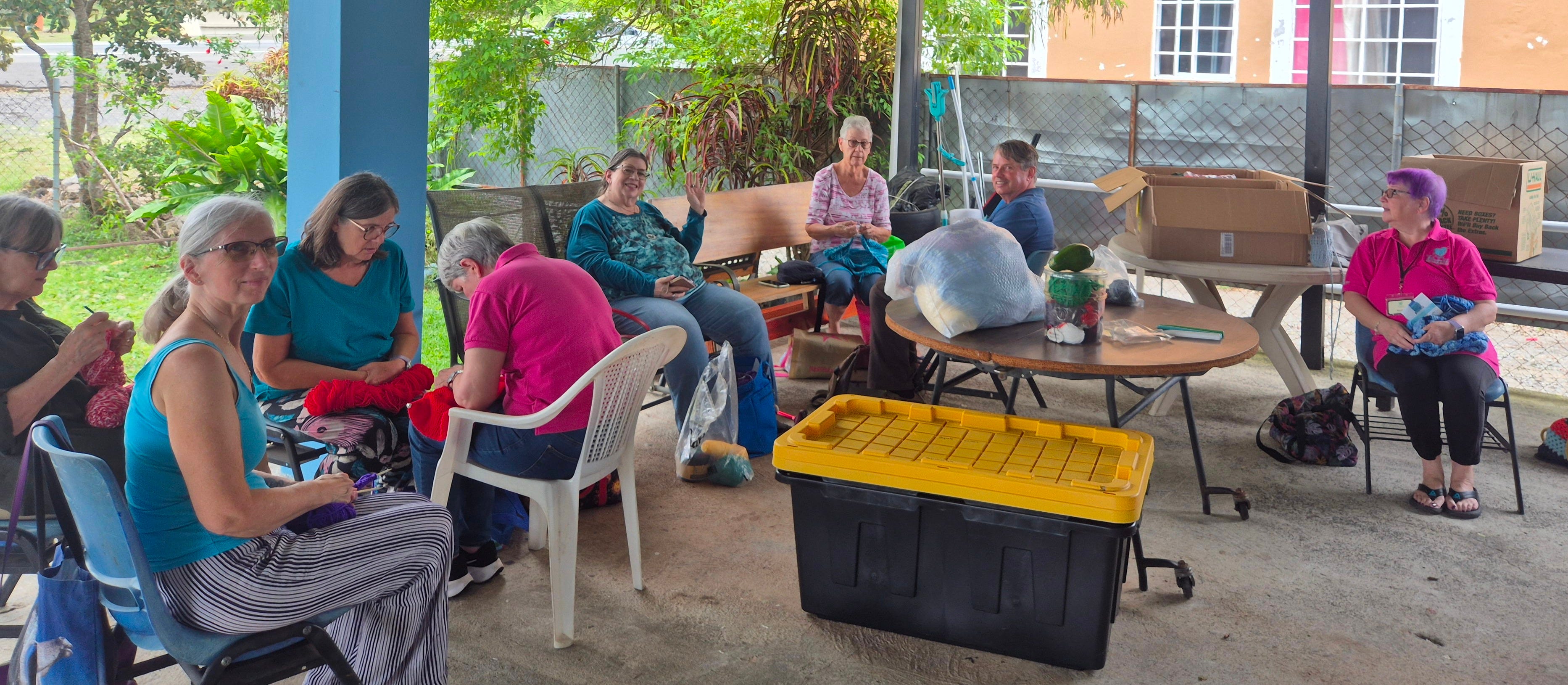
This is important, as many of the moms on the comarca begin having children at 12 or 13. Grandmas are in their late 20’s or early 30’s. Many of them were raised on a poor diet of rice, snack food from local stores and soda. The families may not have the information on how to provide a healthful diet on a low income. The parents also get free food for other members of the family, clothing and knitted and crocheted items for the babies. Our group met every Friday and donated thousands of blankets, sweaters and caps to children in the area each year, including at Nutra Hogar.
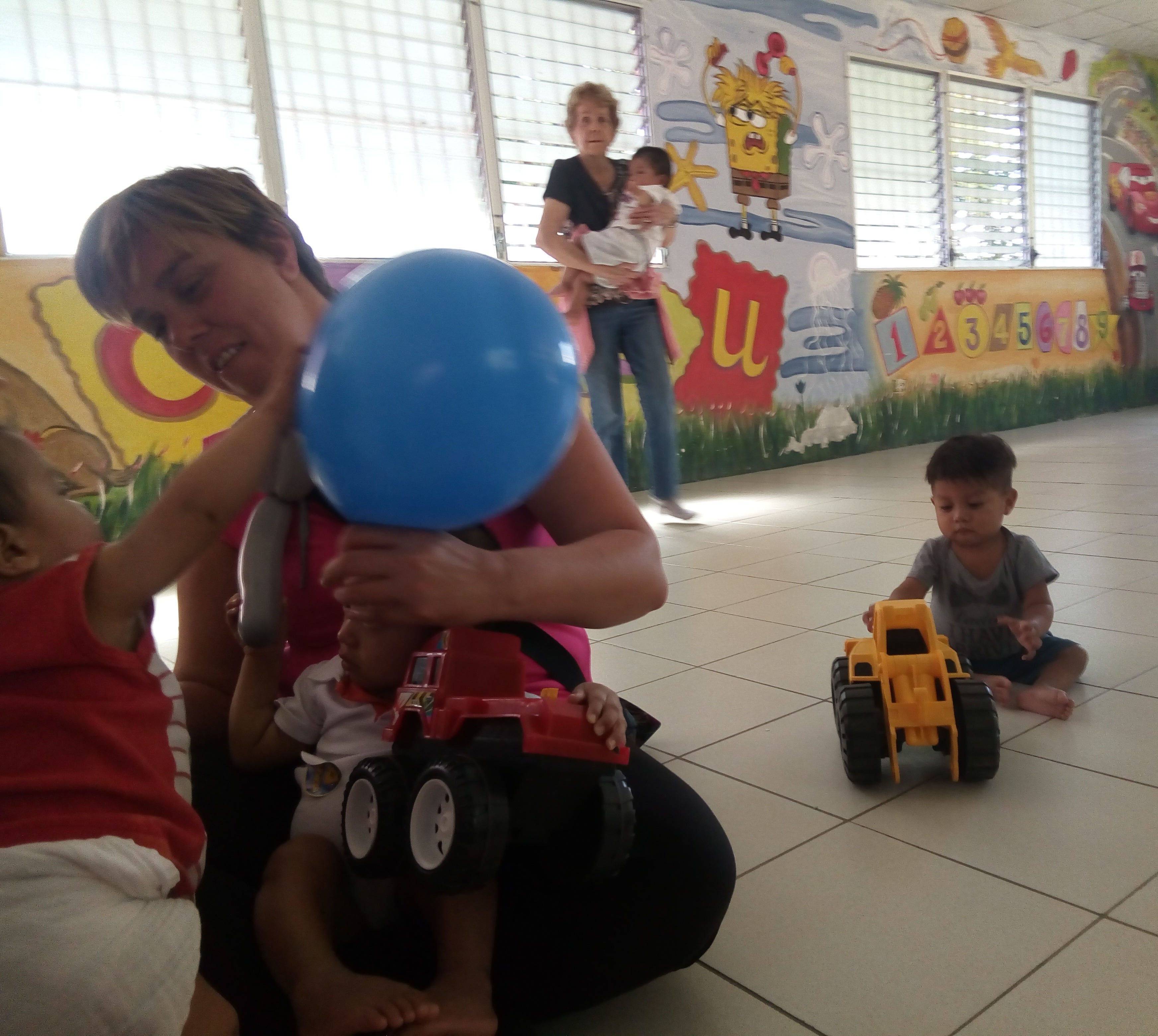
The babies in Nutra Hogar are well cared for physically, but the managers of the organization want to make sure everyone is well socialized. Volunteers, including us on occasion, go down to the facility to provide cuddles and playtime. Eventually, they return home healthy.
The Fundación Pro-Integración is partially funded by the government in Panamá to help children with physical and mental disabilities. In most of the country, it is a small activity. By far, the largest local group is in Boquete. There, volunteers provide physical therapy, organized activities for training and education, and assistance with families. Some of the poorest of families have even had local volunteers build indoor bathrooms on their small homes. The Foundation’s own facility also functions as a thrift store in the community. Those with means donate many items. Families work in the thrift shop, buy low-cost clothing and housewares, and receive the financial benefit of sales.
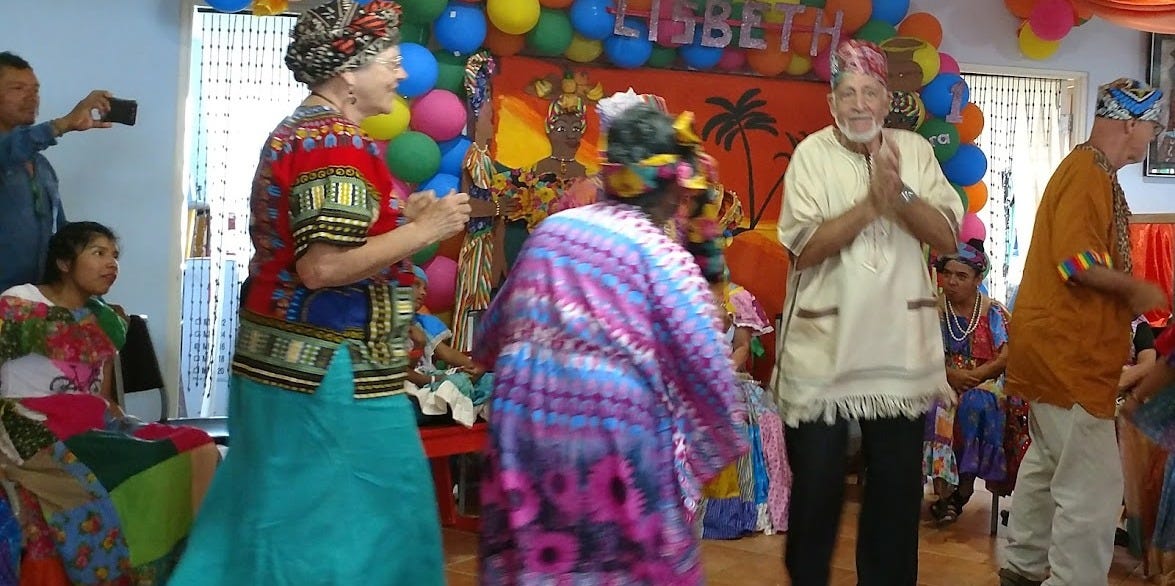
There are, of course, many volunteer organizations here in Mexico. We have the Refuge of Hope giving daytime care for children who would otherwise be left alone all day due to their mothers’ financial situation. They get meals, education and care. A Migrant School helps to provide education children from families who do not have the means or documentation to provide them with an education. There are many other groups.
Our first Christmas here in Bucerias was a sad affair. We were alone for the holiday for the first time in years, since Amy had been with us in Boquete. Although we had moved from Panamá in midyear, we had hardly met anyone in our new community. For one thing, Bucerias goes quiet in the summer. Secondly, we had driven to the United States in the fall, spending several weeks with family and friends. In the meantime, we had not been here long enough to have developed friendships.
It was a sad Christmas Eve. Our one activity was a volunteer opportunity we happened on. We drove to Puerto Vallarta to help in packaging holiday dinners for several hundred families in the area and then deliver the food to them in their outlying communities. It was the best thing about that Christmas. The joys and smiles made up for the rest of the sad day.
One of the things I am most grateful in our home in Bucerias is that many of the organizations are sponsored by local members, with assistance from expats. Groups in Boquete always worried about what would happen when the founders and biggest volunteers would leave or pass on. Here, we are most often assistants to the local support network. It is good to know that those who need help will get it, no matter where they are.
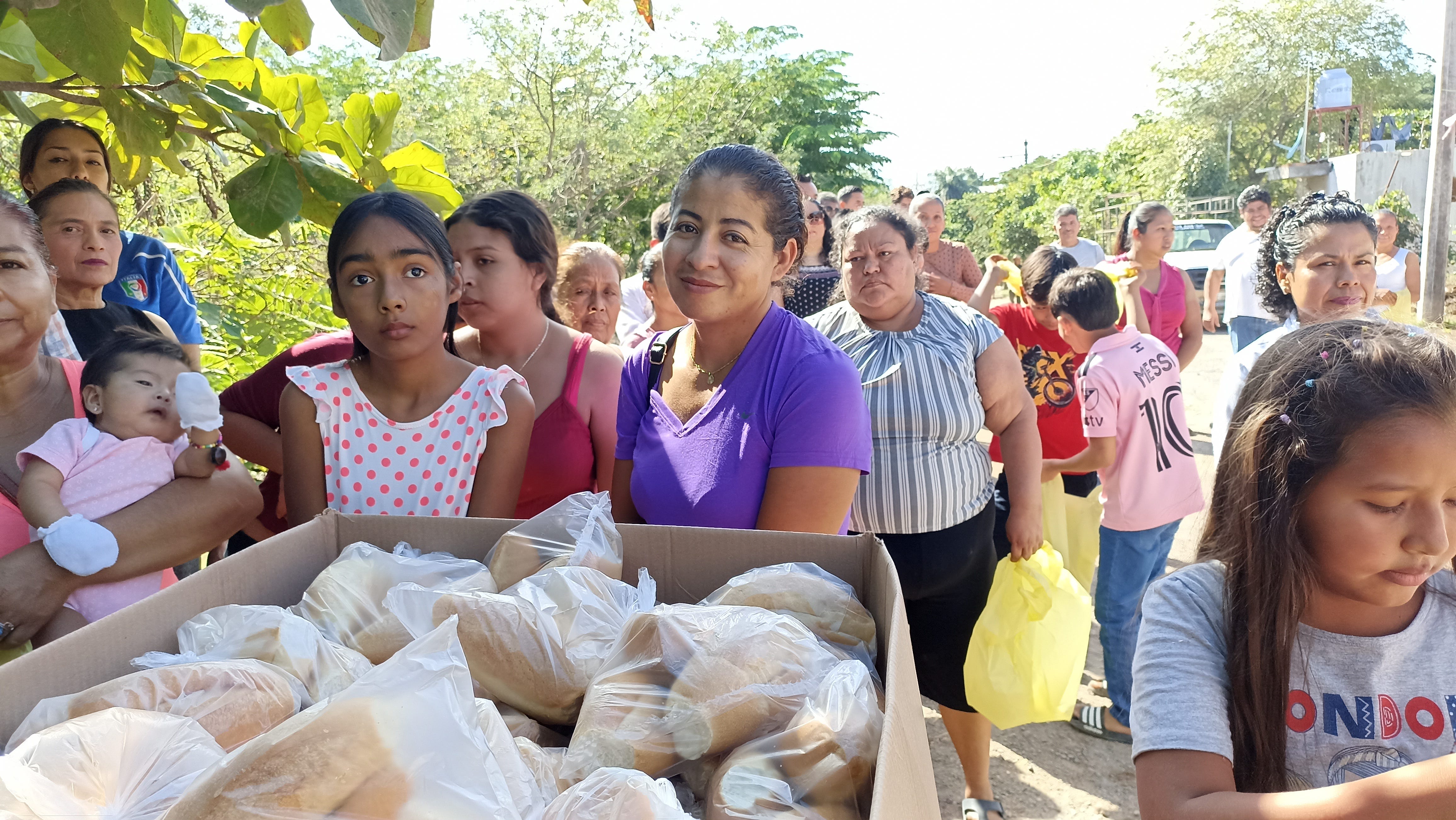
There is always someone who needs help in any community. It is a good time of year to be generous. Thank you for whatever you find to do in your location. Like it did for me, it may also improve your spirits and bring some joy to your holidays.
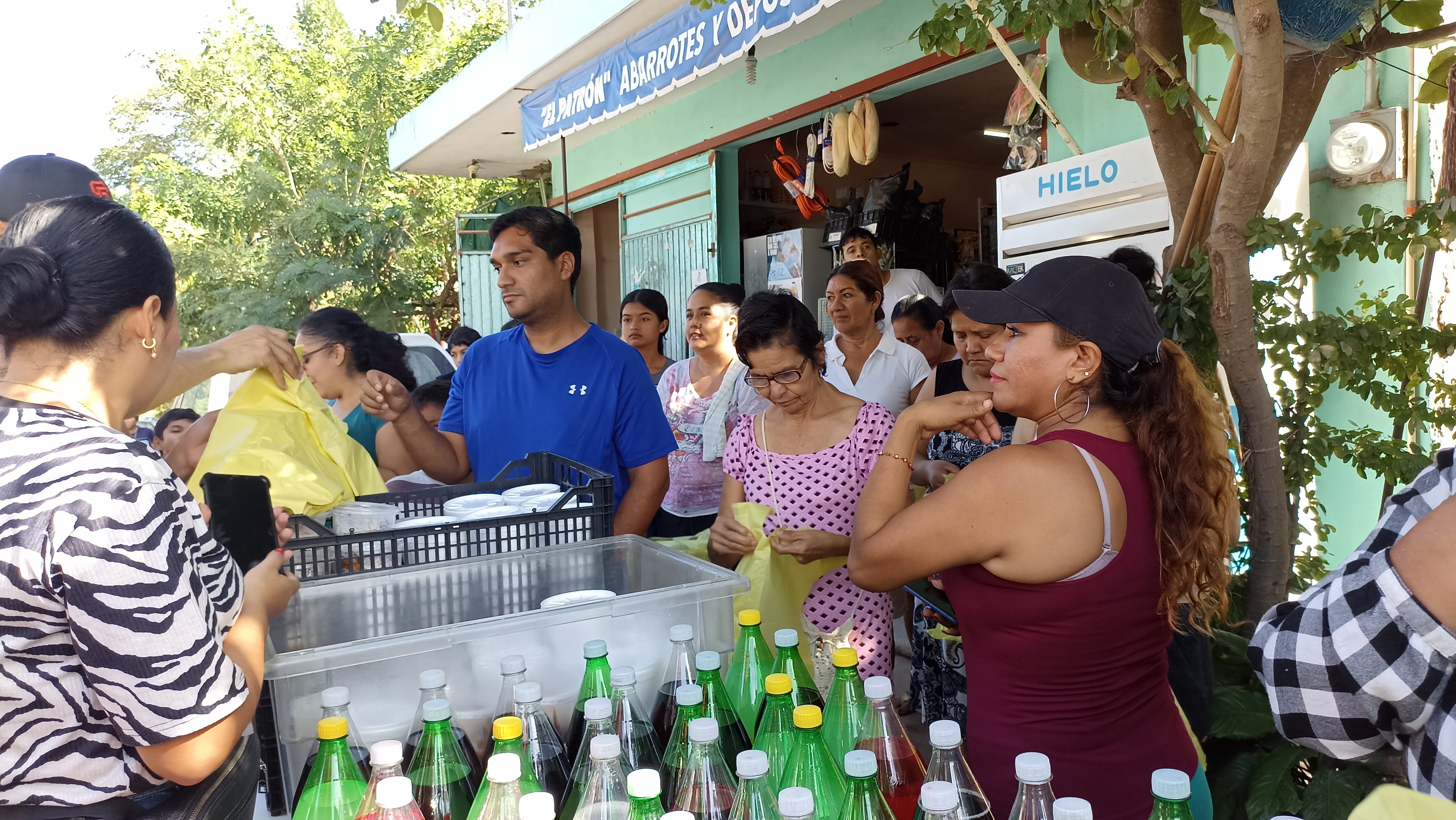
Before I read this post, I read one on the Wounded Knee Massacre from Heather Cox Richardson. I have no idea how to understand humanity. Sublime and caring, and ignorant and destructive, all at the same time. The only thing we can pin our “hopes” on is to put as much effort as we can on the caring side of the equation.